
Day 1: Drive from Kathmandu/Pokhara to Dharapani via Besisahar
- Route: Microbus to Besisahar, 4×4 Jeep transition to Dharapani
- Travel Time: 7 hours (Microbus) + 3 hours (Jeep)
- Highlights: Following the Marsyangdi River valley highway
Our journey begins with a long drive out of the city. We caught a local microbus heading to Besisahar, a major launching hub for the classic Annapurna Circuit trek. Despite a brief delay for an unexpected tire replacement along the highway, the journey took roughly 7 hours. After a late lunch in Besisahar, we switched over to a rugged 4×4 Jeep to navigate the bumpy mountain roads up to Dharapani. The jeep ride took just under 3 hours, bringing us to our overnight tea house where we rested up before hitting the foot trail.
Day 2: Trek from Dharapani to Koto (2,500m)
- Distance: 17 km
- Trekking Time: 5 hours
- Highlights: Trekking through pine forests, views of Lamjung Himal
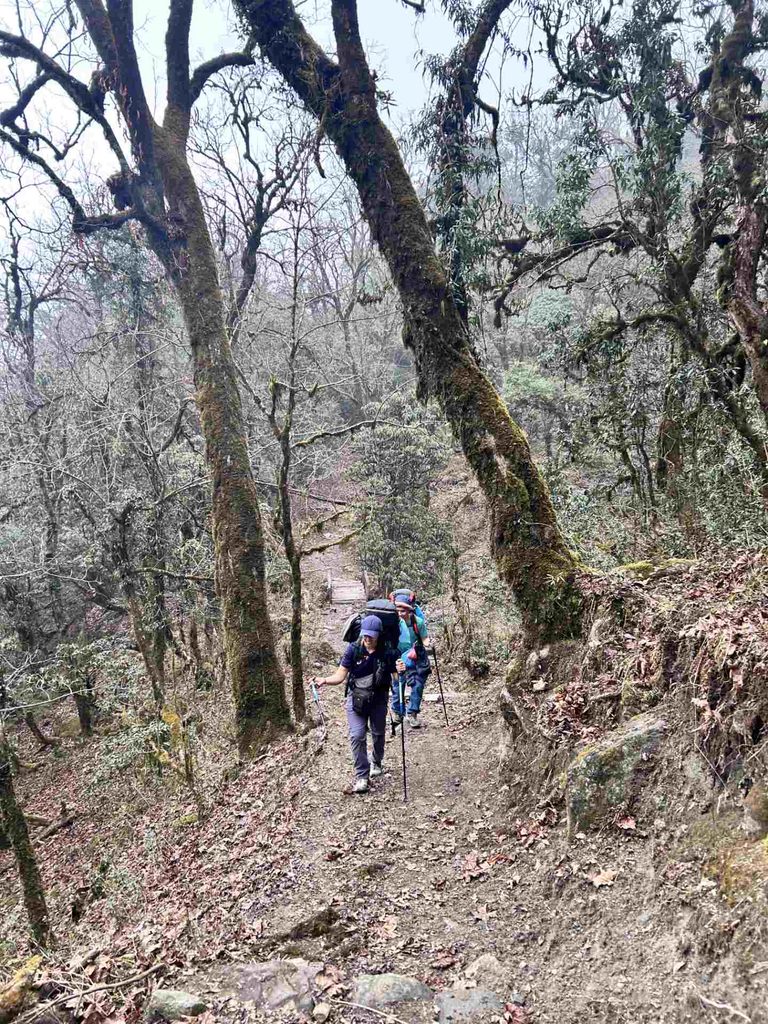
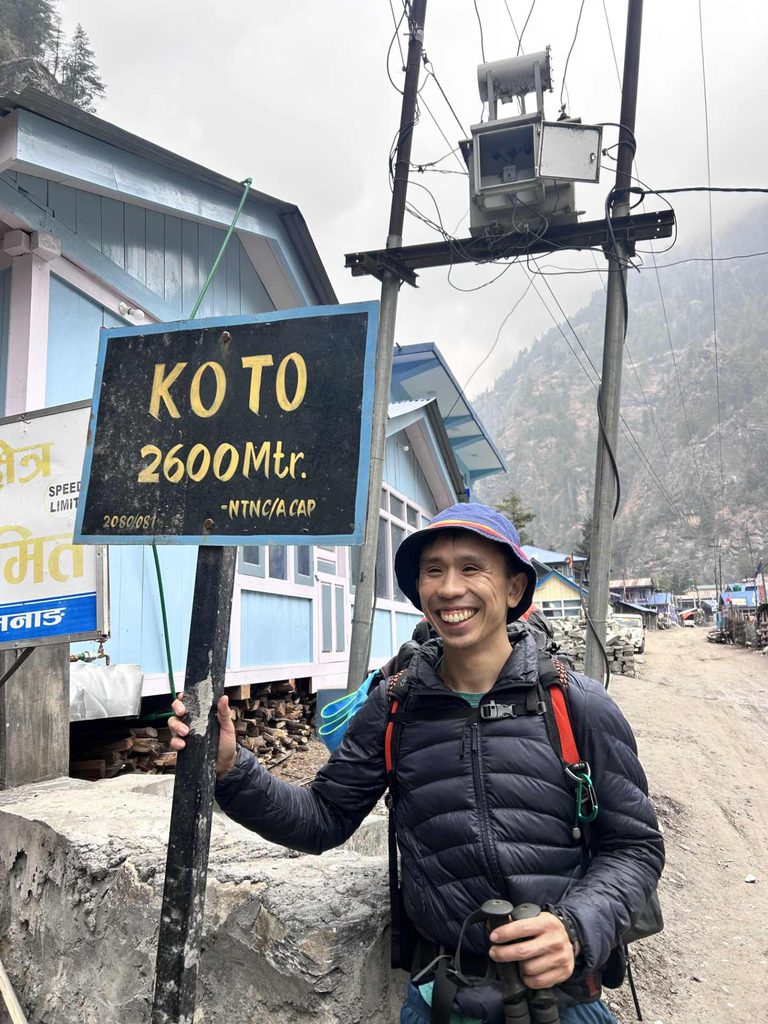
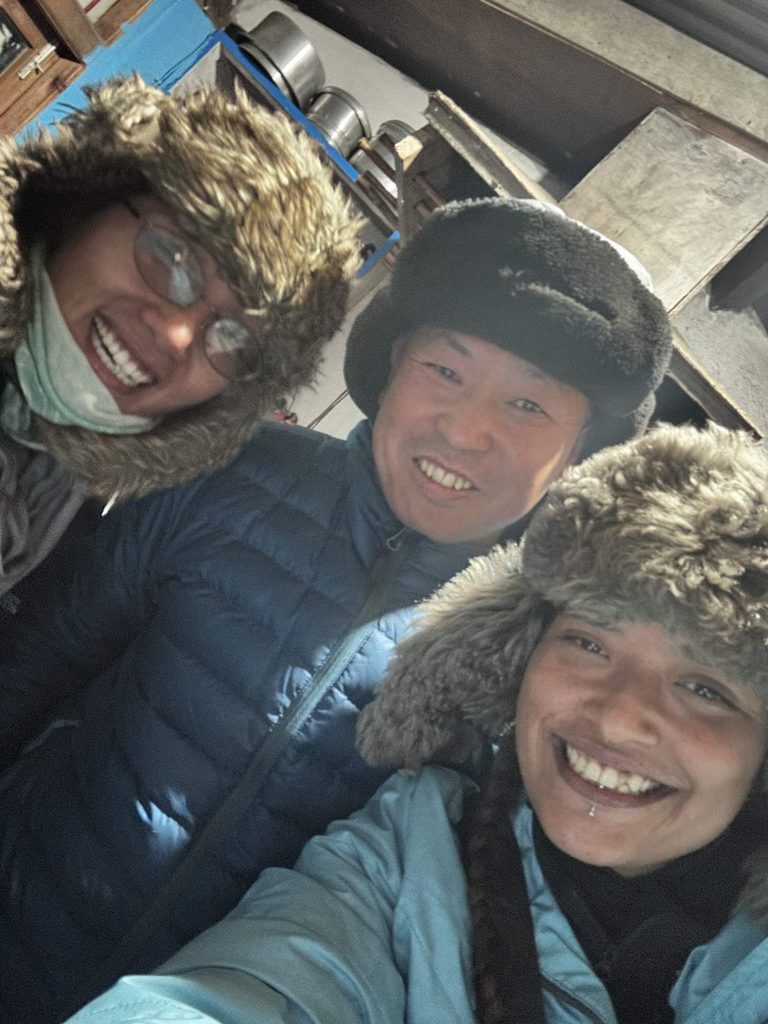
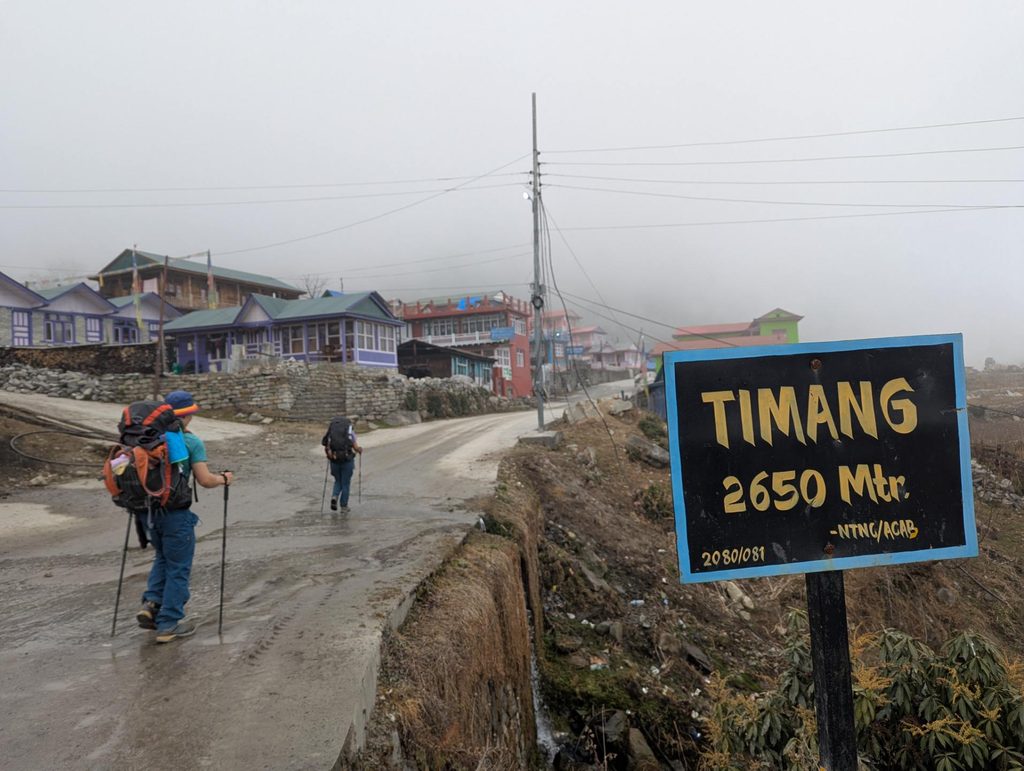
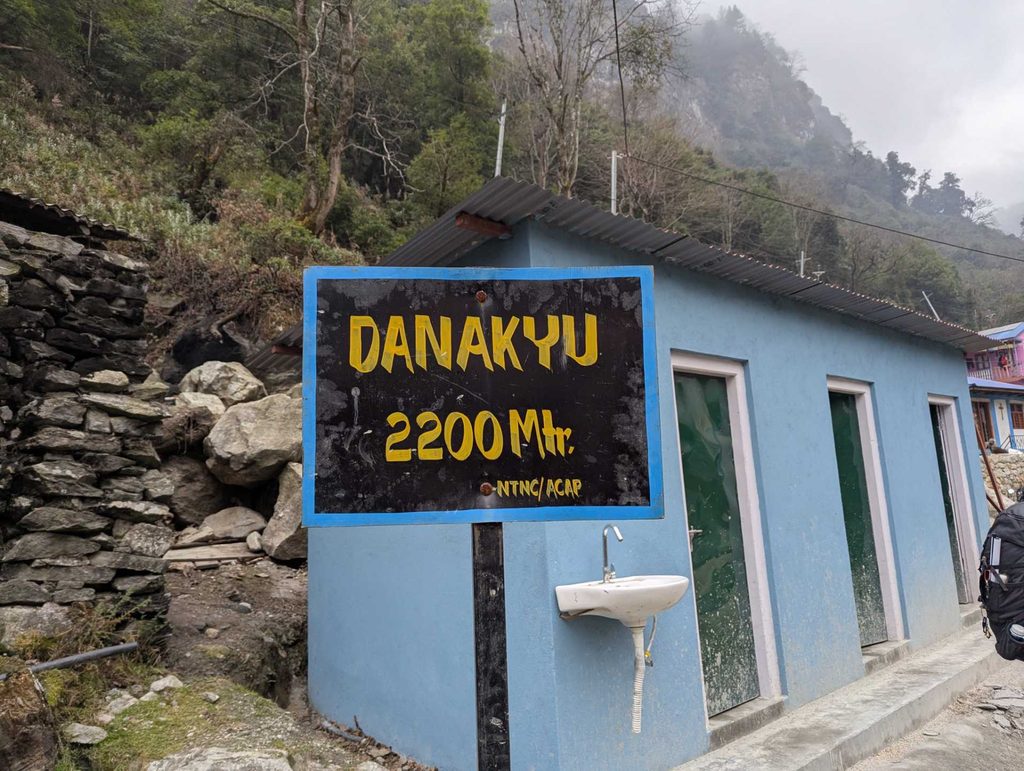
After an early breakfast, we officially laced up our boots to begin our trek toward Koto. The route currently consists of a mix of raw dirt roadway and traditional trekking trails, divided roughly half and half. We walked for about 3 hours to reach the beautiful settlement of Timang, which makes for a perfect hotspot to stop for lunch with great mountain views. Post-lunch, an easy 2-hour walk mostly along the road brought us safely to Koto—the official gateway to the restricted Nar Phu region.
Day 3: Trek from Koto to Meta (3,600m)
- Distance: 16 km
- Trekking Time: 7 hours
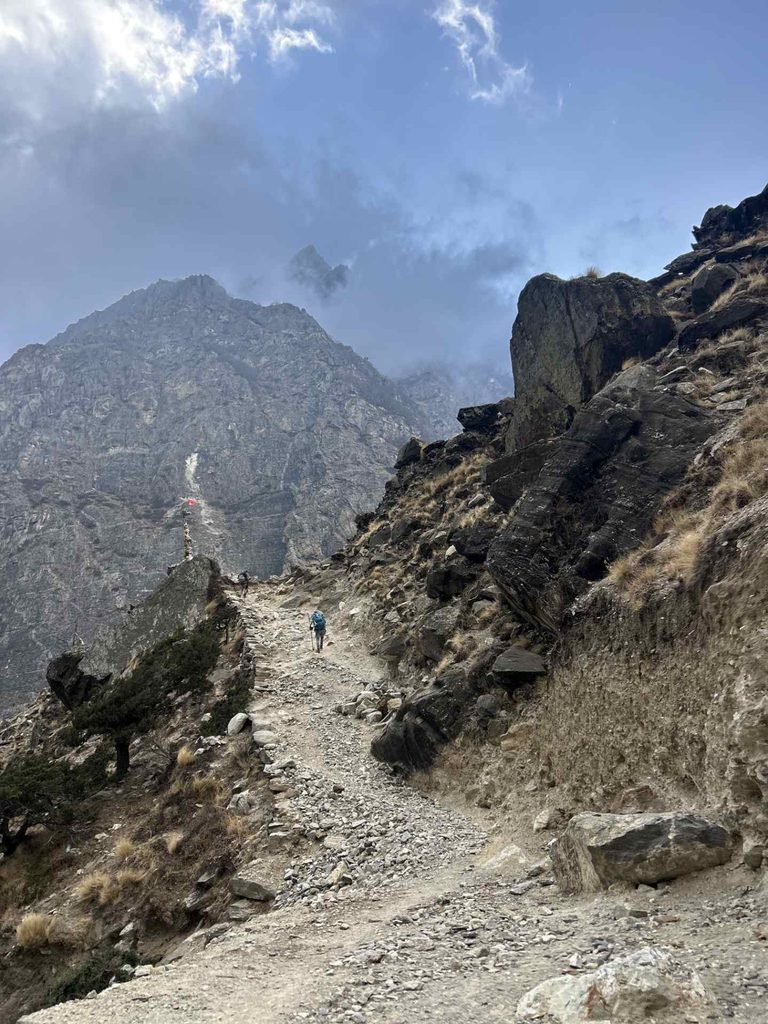
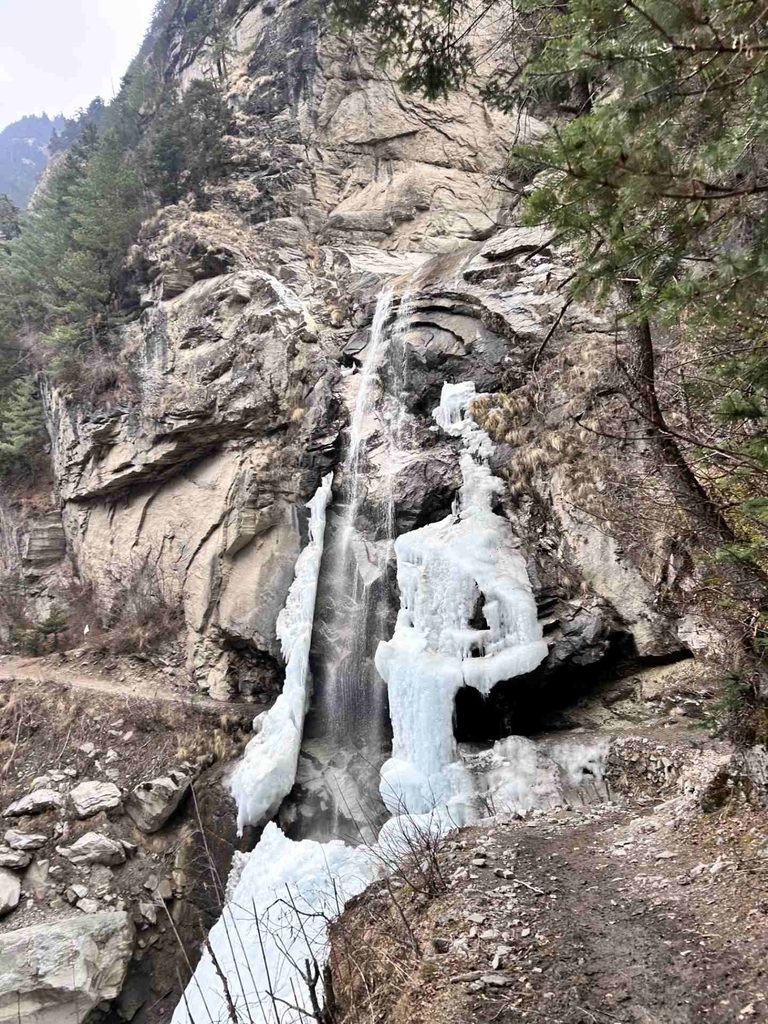
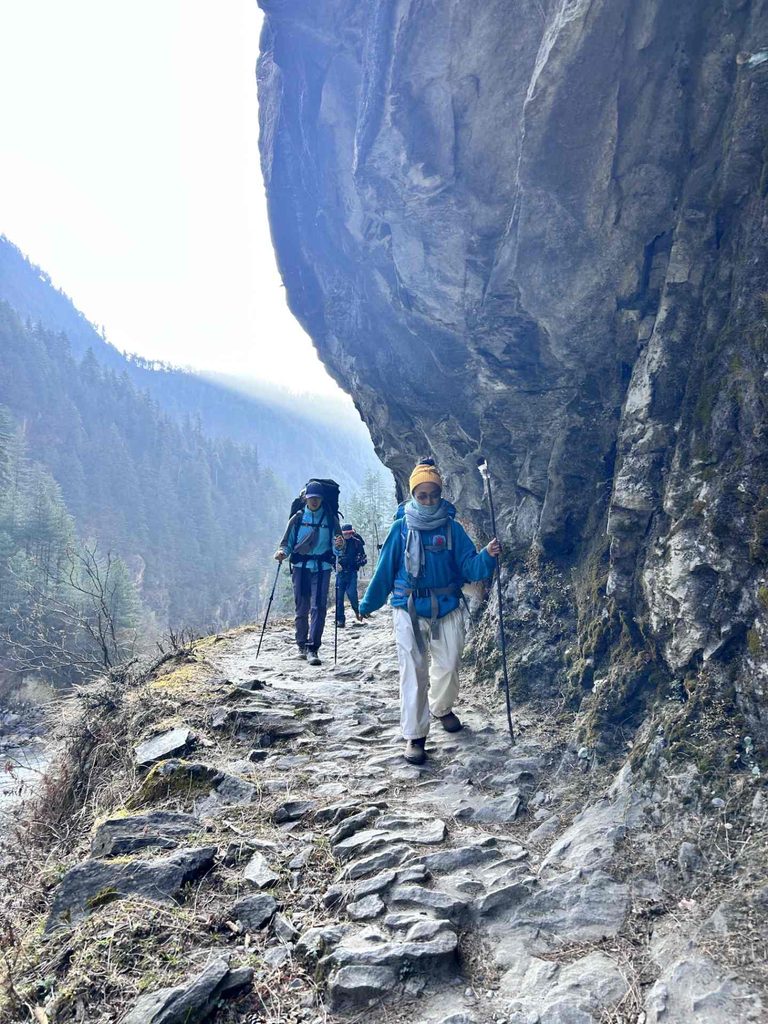
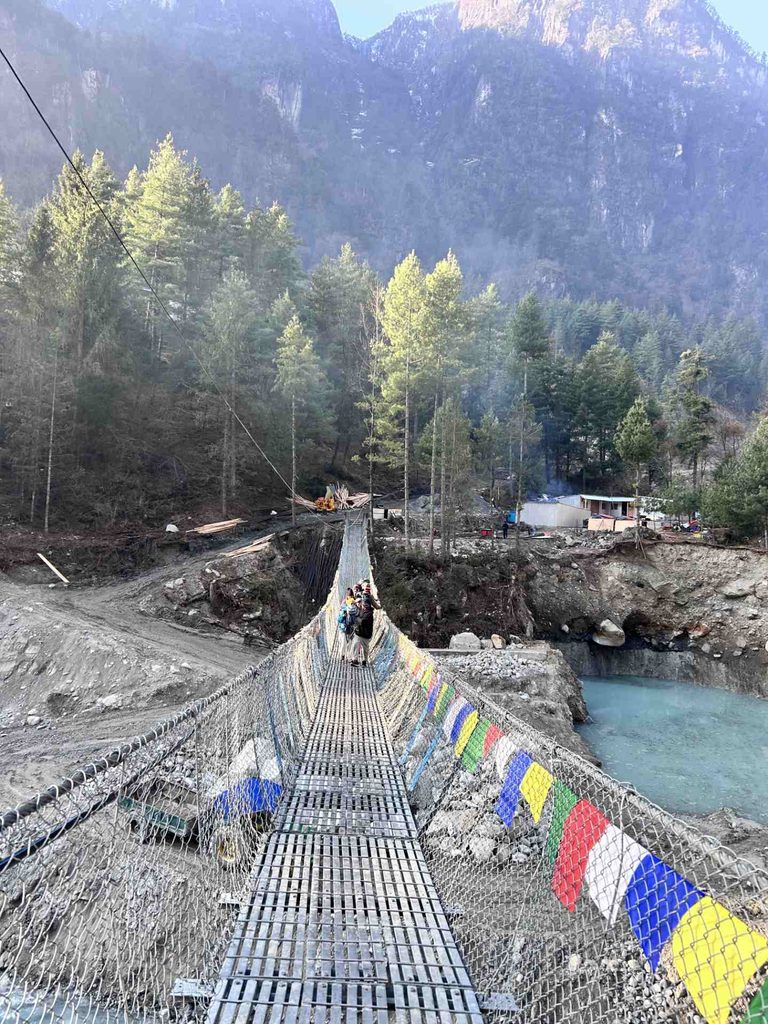
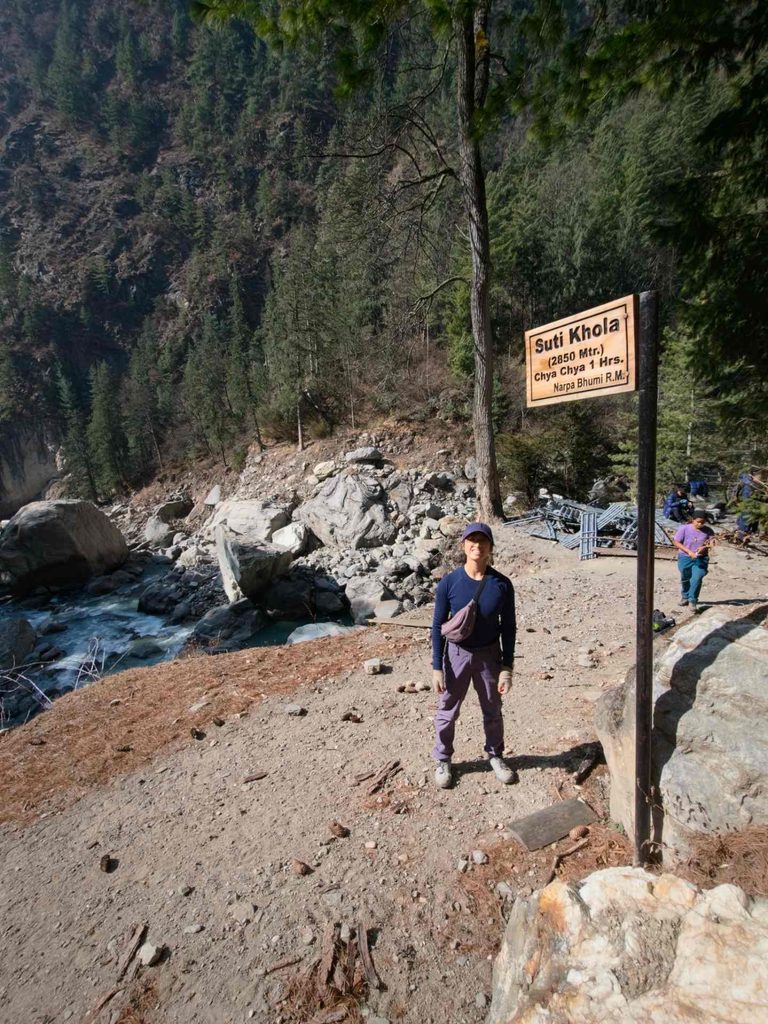
- Highlights: Restricted area checkpoint, Suti Khola, Odar Gufa, steep alpine ascents
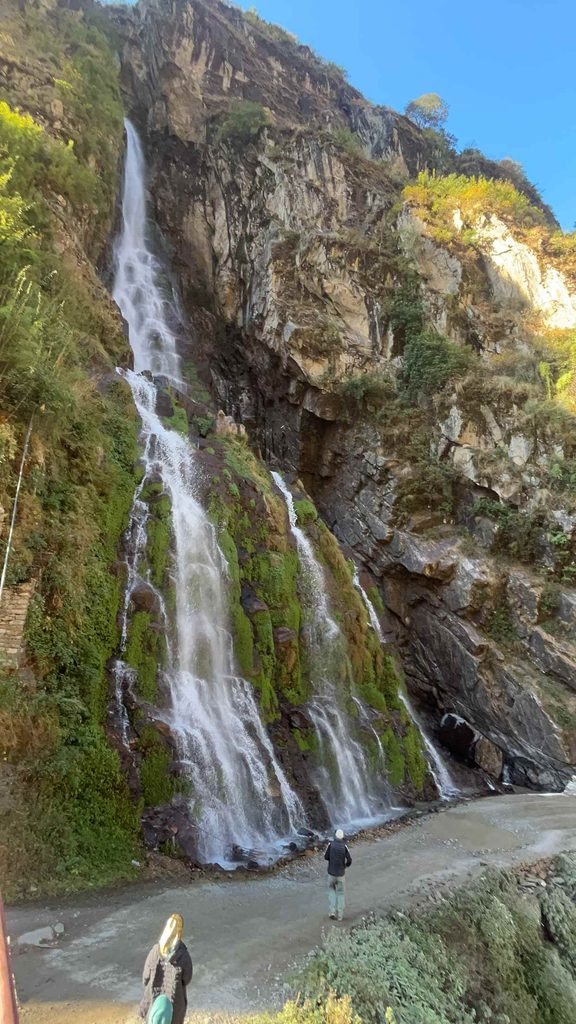
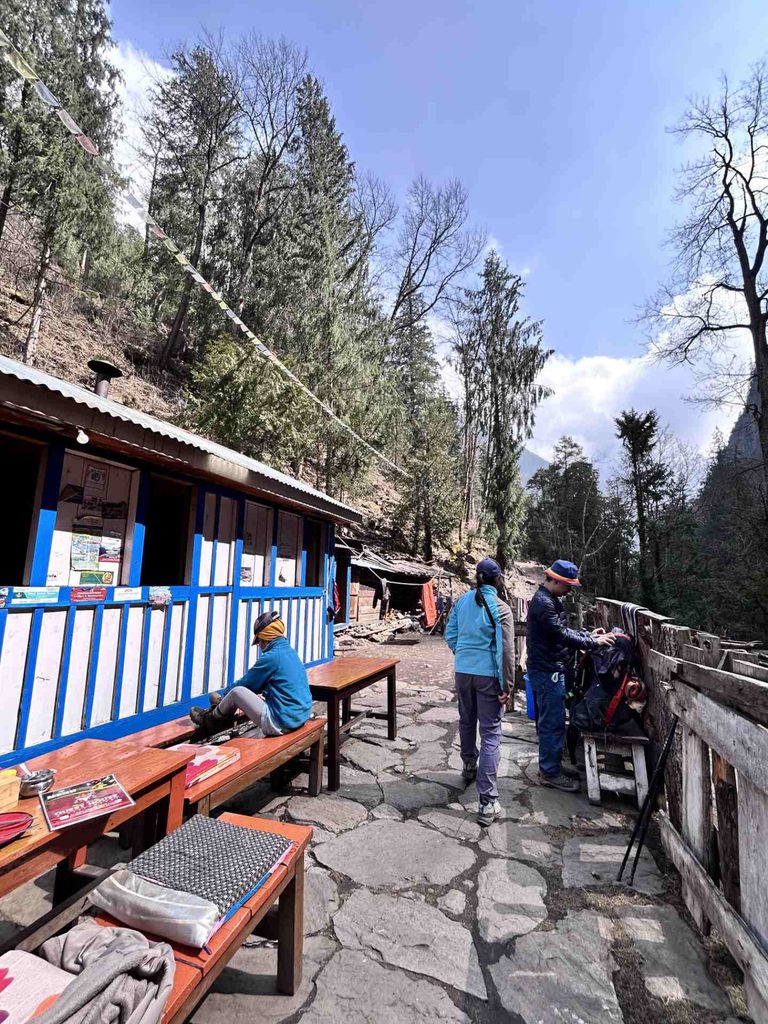
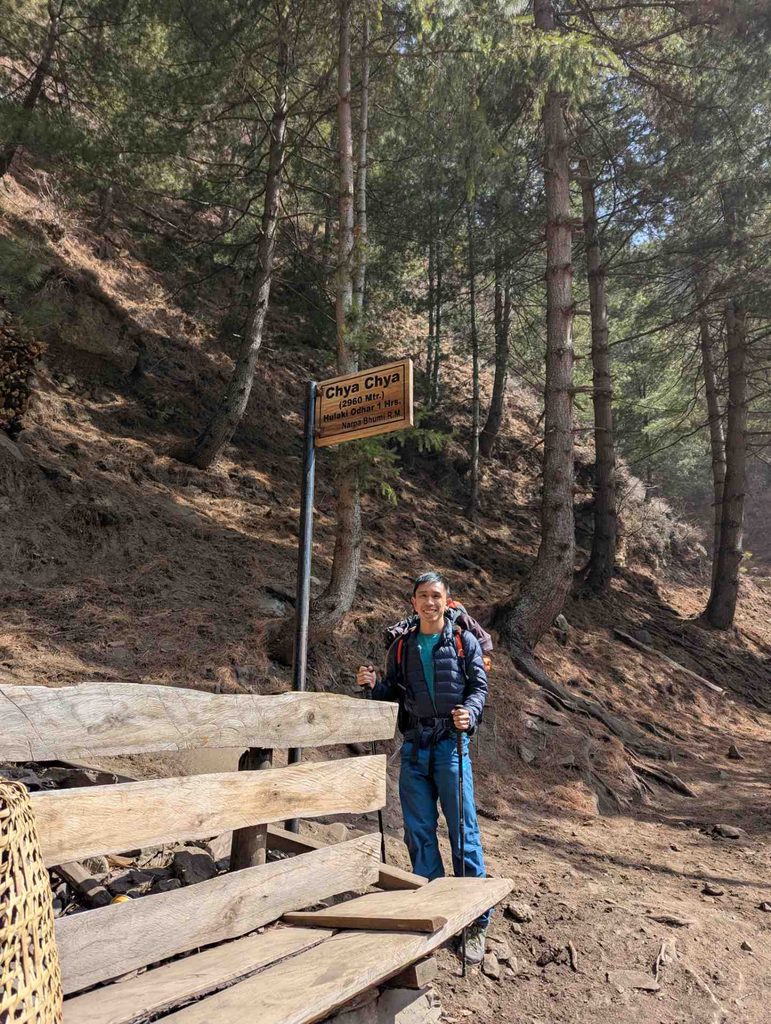
We started early from Koto, registering our restricted area trekking permits at the mandatory checkpoint. Leaving the main Annapurna Circuit trail behind, we entered a narrow, incredibly dramatic river canyon. It took us 2 hours and 15 minutes to reach Suti Khola, and another hour to arrive at Chomcho, where we enjoyed lunch at the Three Sisters Restaurant.
The afternoon trail was a continuous, demanding uphill climb that tests your stamina. We passed Odar Gufa (1 hour from lunch) and Dharmasala (another 2.5 hours) before a final 1-hour and 15-minute push brought us to Meta (3,600m).
Trekking Pro Tip: If you have an extra day in your schedule, consider adding a middle stop near Odar Gufa to break up this long, steep afternoon uphill section.
Day 4: Trek from Meta to Kyang (3,850m)
- Distance: 9 km
- Trekking Time: 5 hours
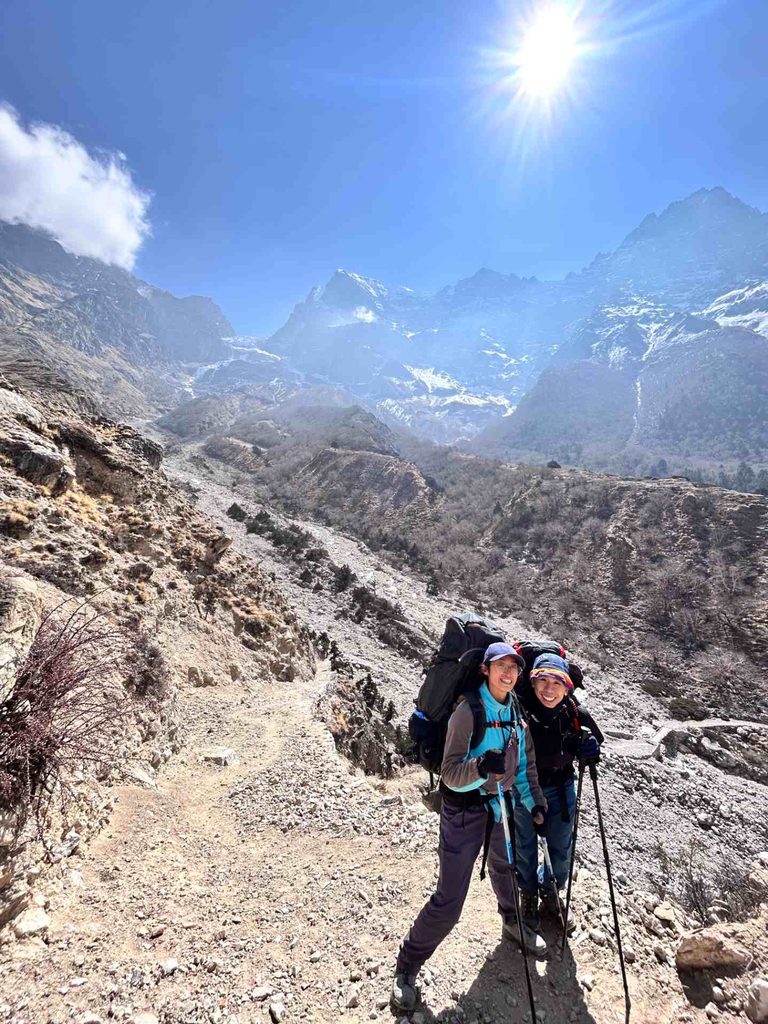
- Highlights: Dramatic views of Kanguru Himal (6,981m), traditional remote villages, authentic cultural experiences
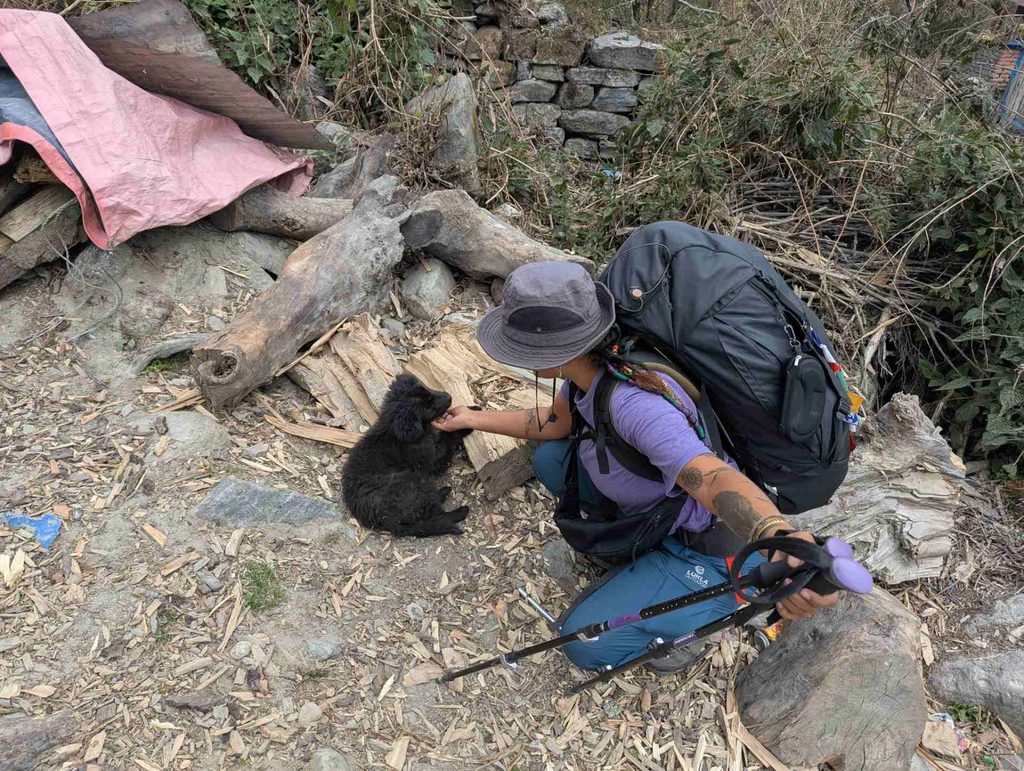
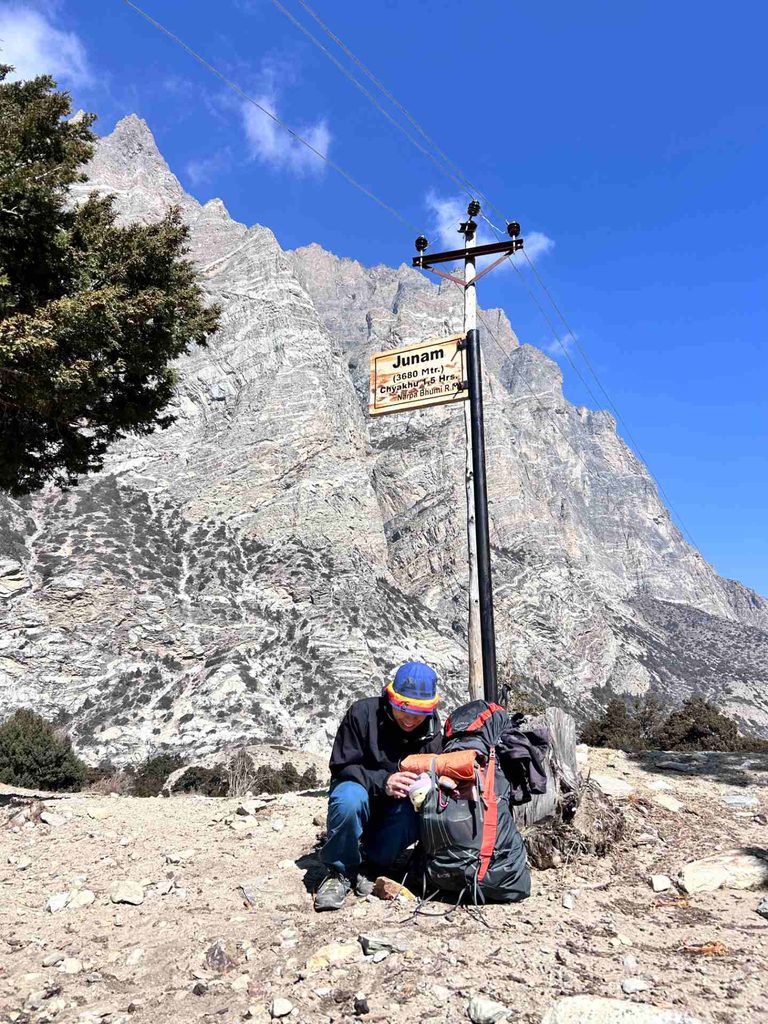
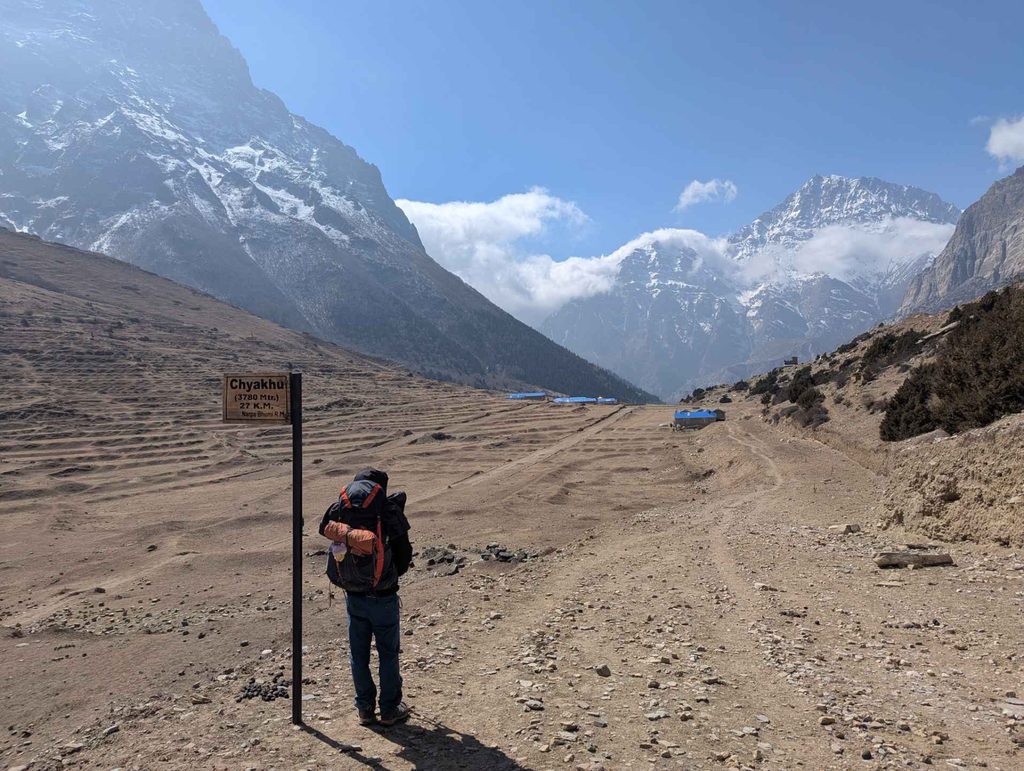
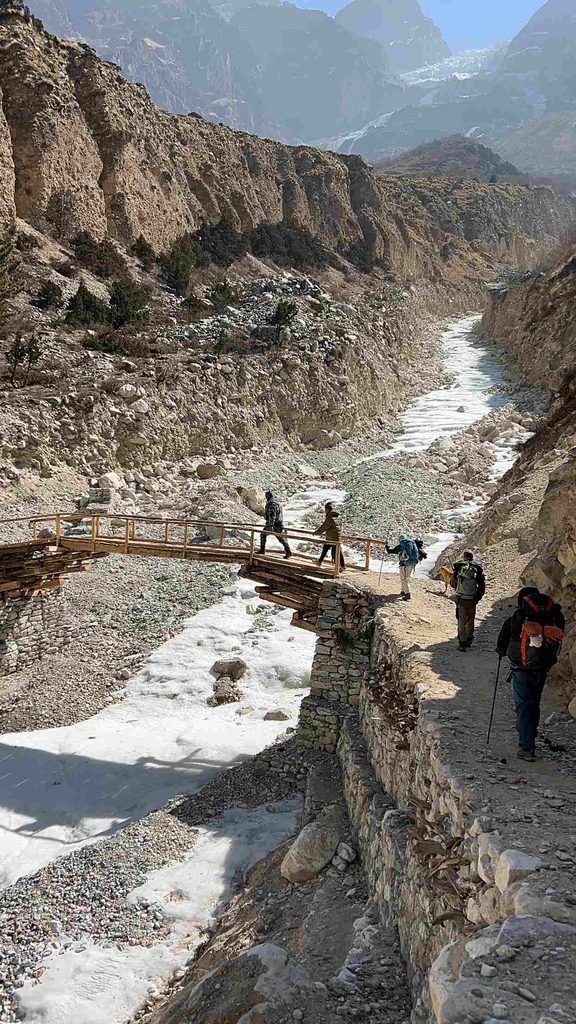
We hit the trail around 8:45 AM, letting the morning sun warm up the deep valley. By 10:40 AM, we reached Humde, where a friendly local dog (whom we named Khaire) briefly joined our pack. The towering, snow-capped peak of Kanguru Himal (6,981m) dominated the skyline today, providing a magnificent backdrop.
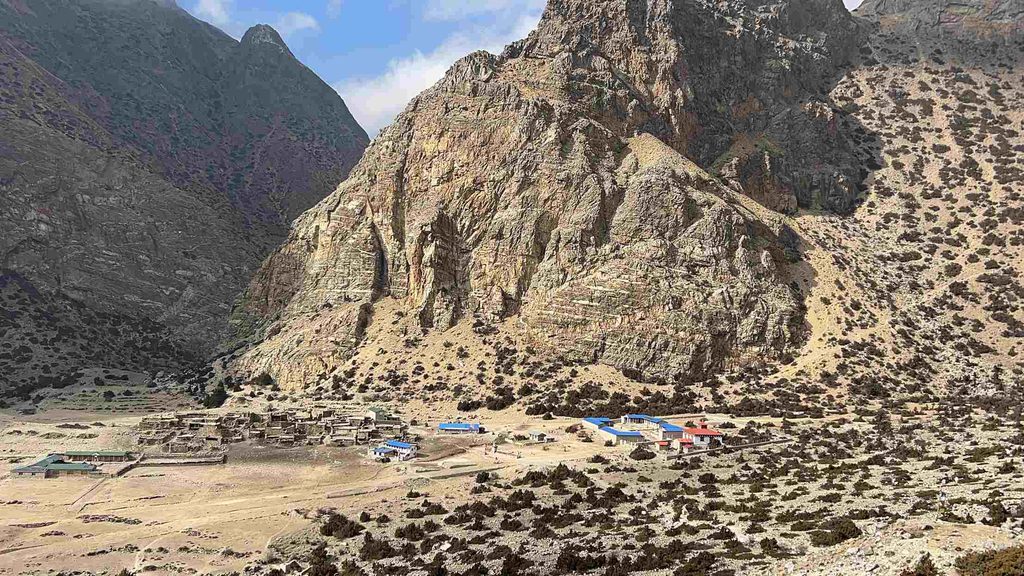
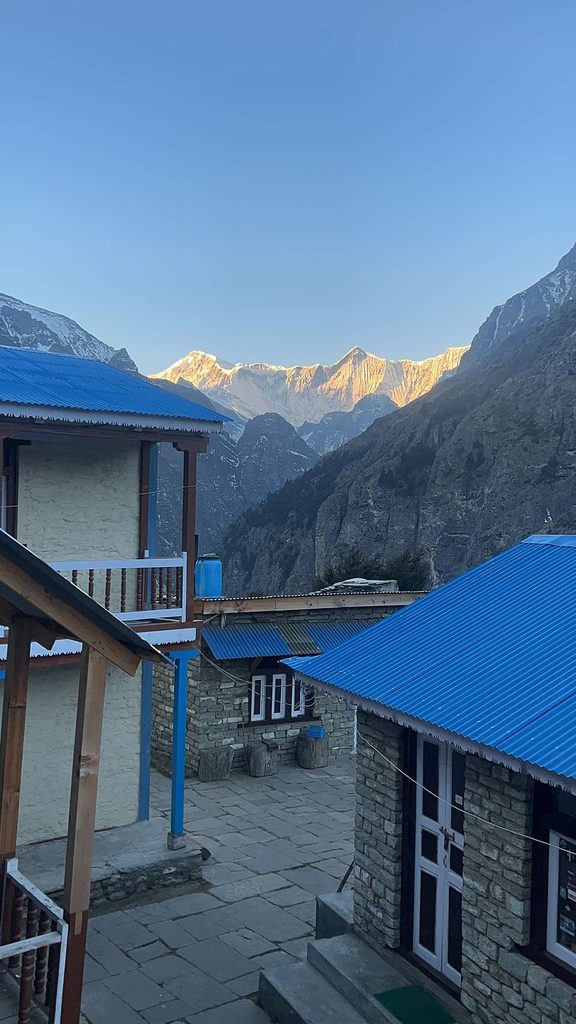
At 11:35 AM, we arrived at Chayku, a charming, quiet village that instantly became a trip favorite. We stopped at the Dhiki Restaurant and Guest House for a hearty plate of traditional Nepali Dal Bhat—honestly the best meal in the entire region! My clients absolutely loved it. After a long, relaxing lunch break, a gentle 1.5-hour afternoon walk brought us to Kyang, where we checked into the Tashi Delek Hotel.
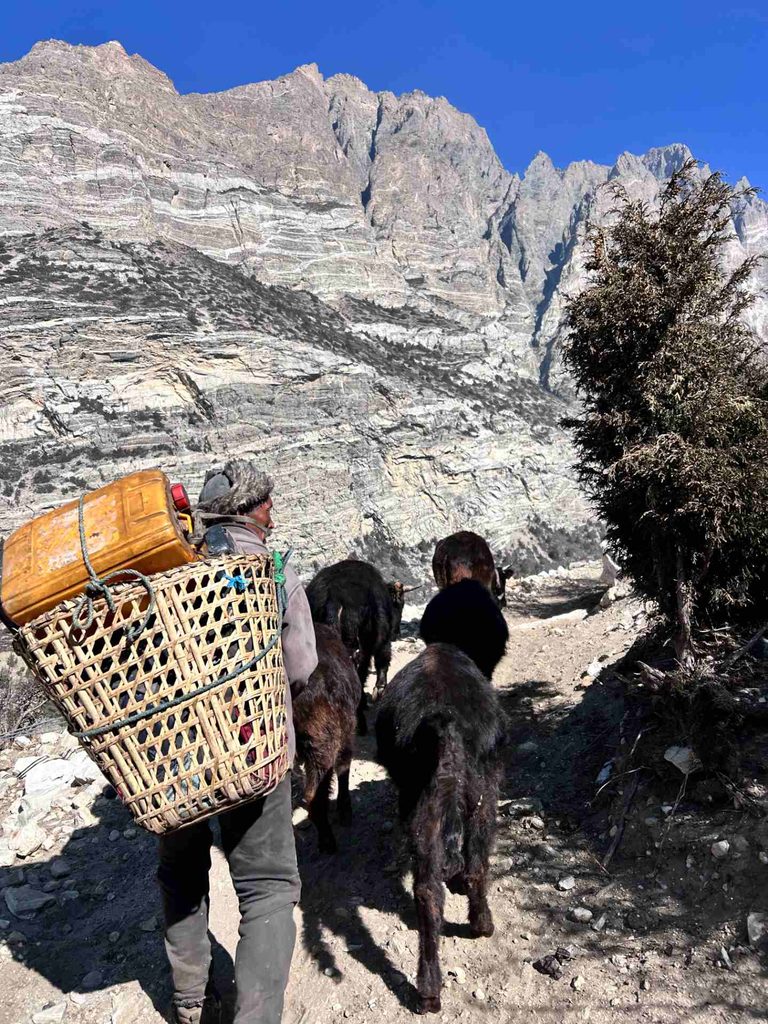
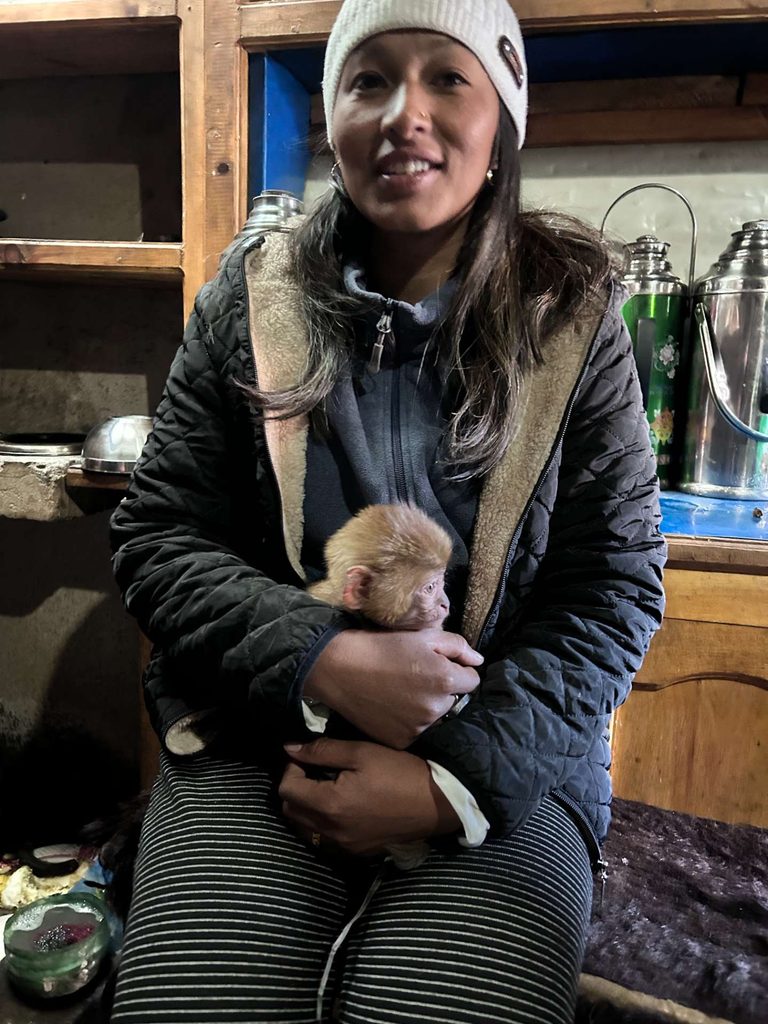
The evening turned into an unexpected highlight of Himalayan hospitality. The hotel owner was alone and busy tending to his many yaks, so we stepped into the kitchen ourselves, cooked up a fresh batch of dal bhat, and served it to our clients. It was a beautiful moment of teamwork and adaptability in a very remote place.
Day 5: Day Trip to Phu Village (4,100m) & Return to Kyang
- Trekking Time: 3 hours to Phu, 2.5 hours return walk
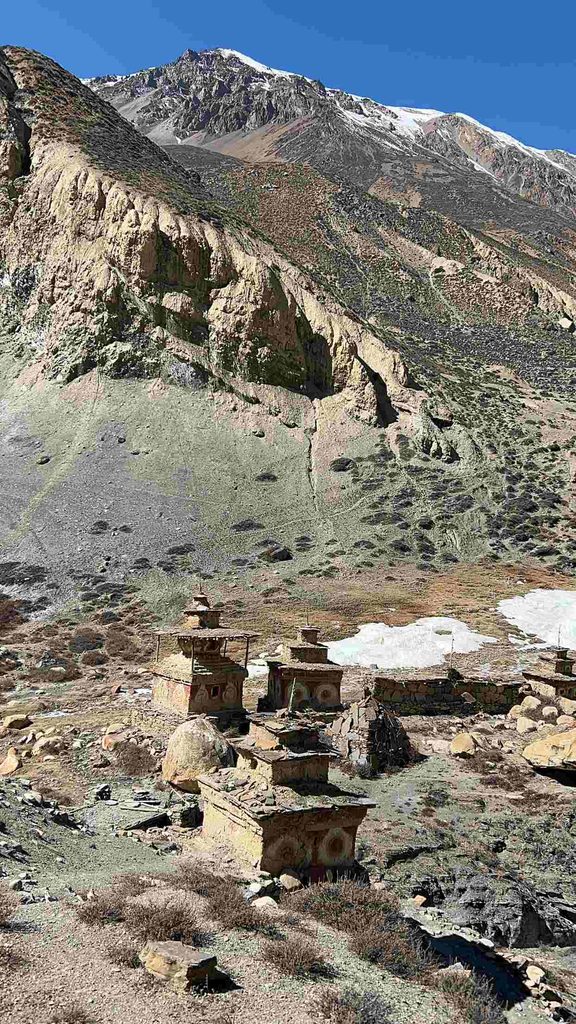
- Highlights: Vertical cliffside trails, ancient chortens, Tashi Lhakhang Monastery, local butter tea
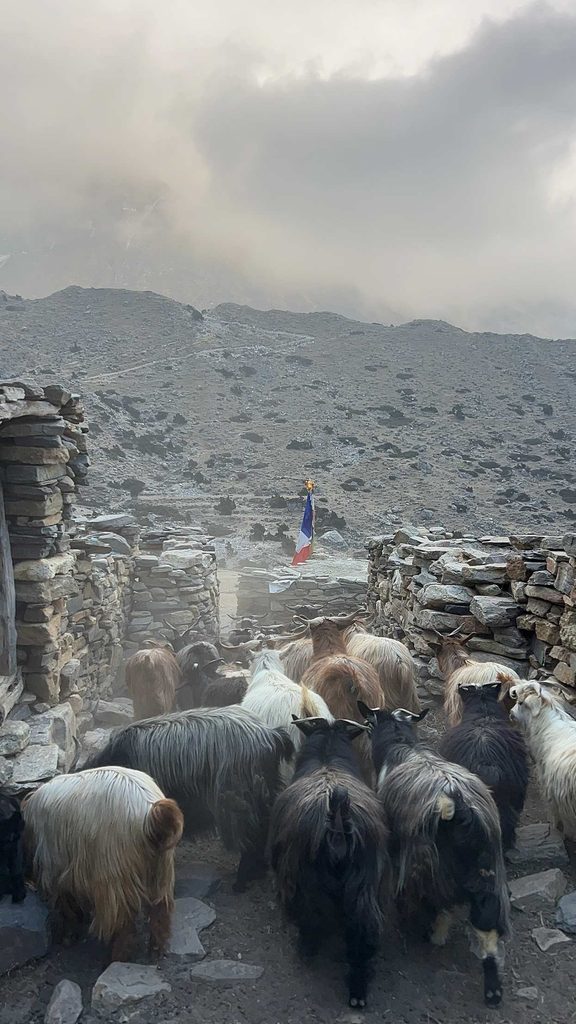
Because it was early in the trekking season, the lodges in Phu Village were still closed. While it is usually an incredible place to spend the night, we adapted and turned it into an epic day hike from Kyang. I started the morning by feeding a baby yak outside our lodge before enjoying a warm bowl of traditional tsampa porridge.
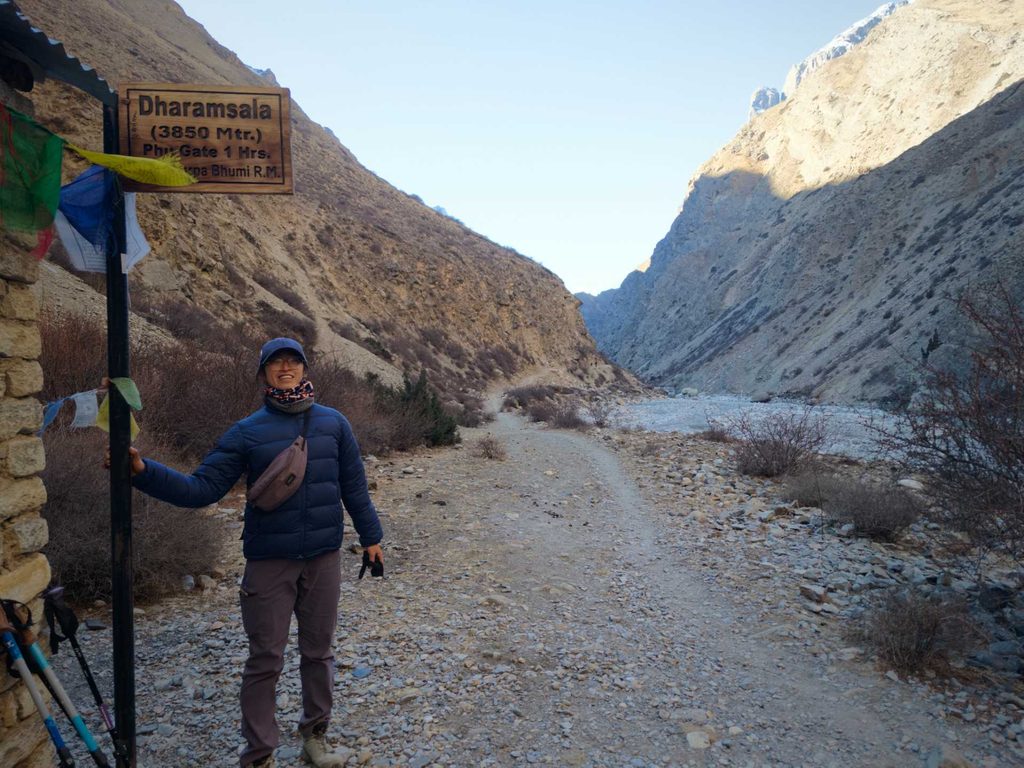
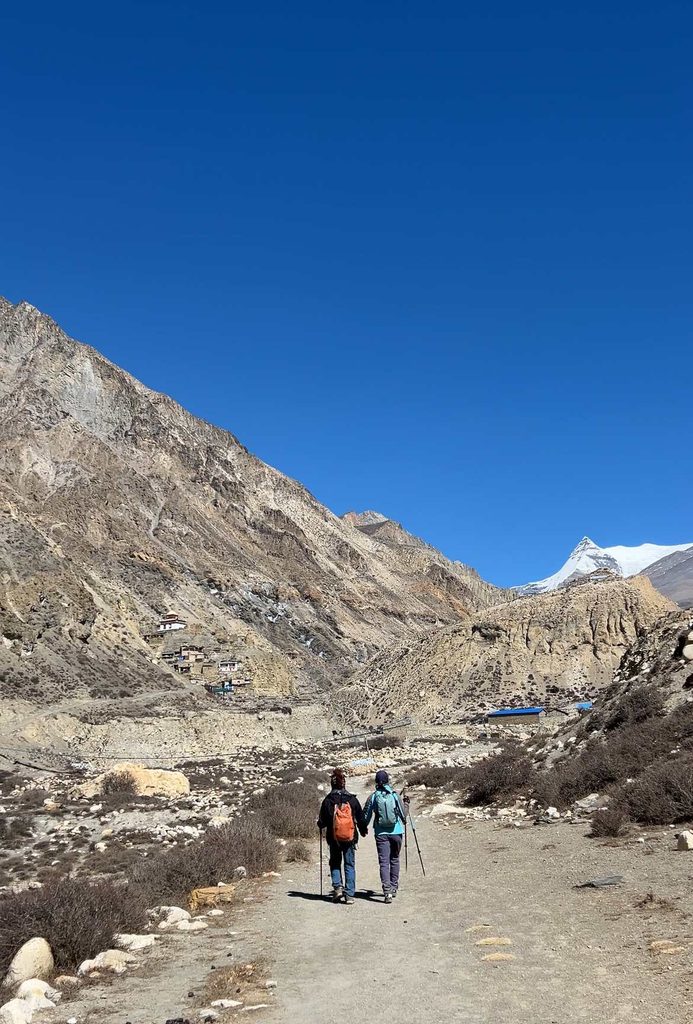
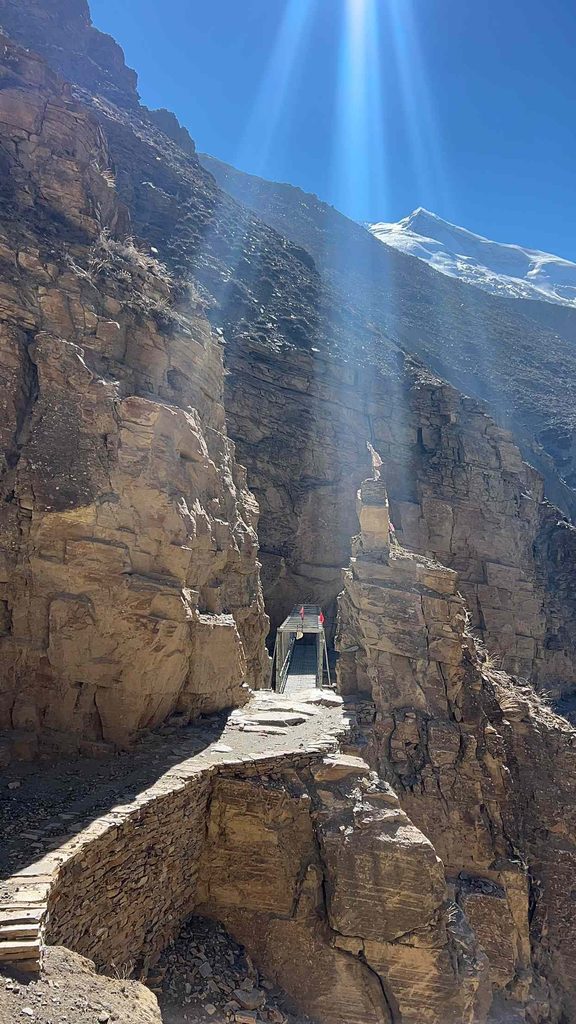
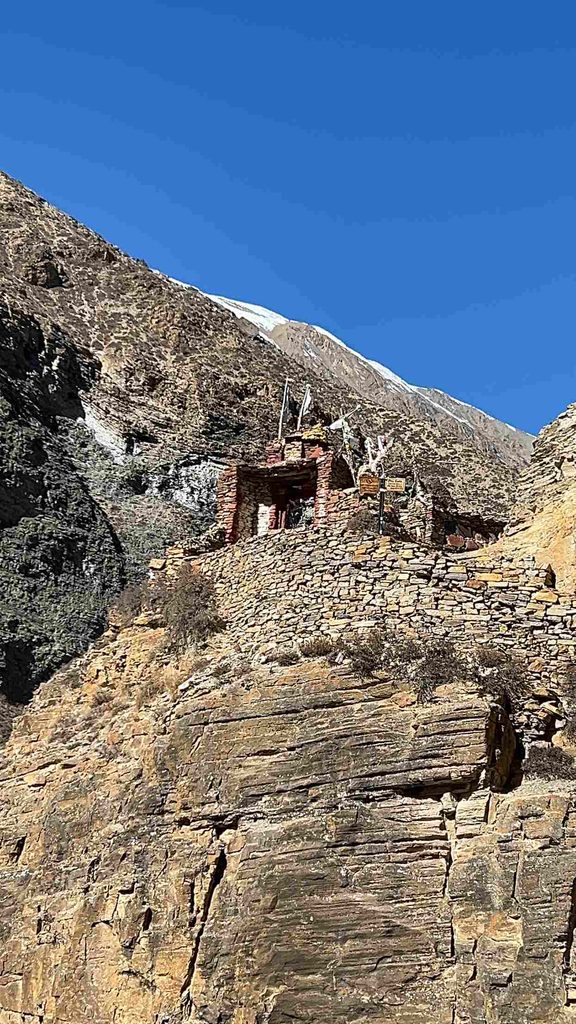
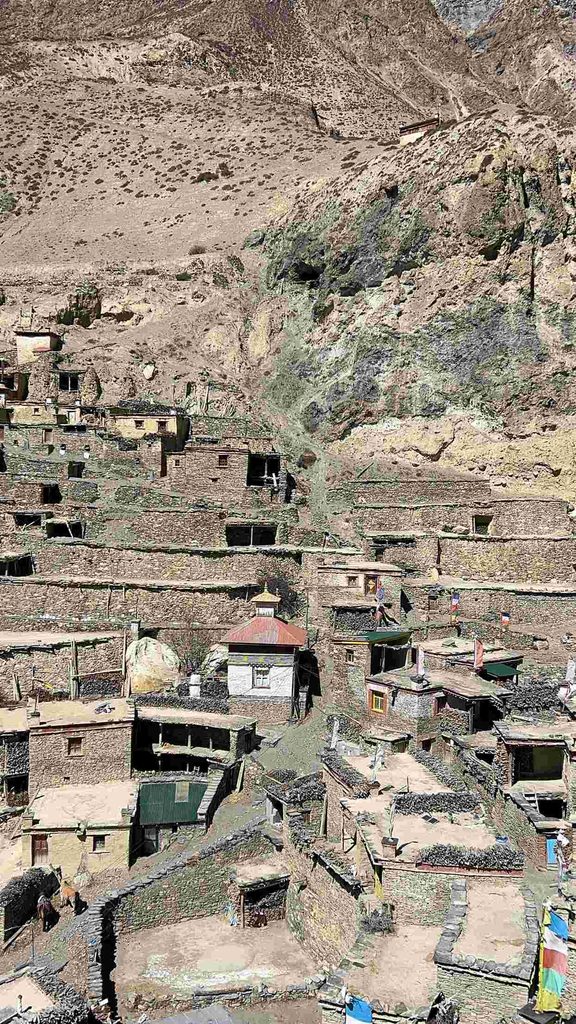
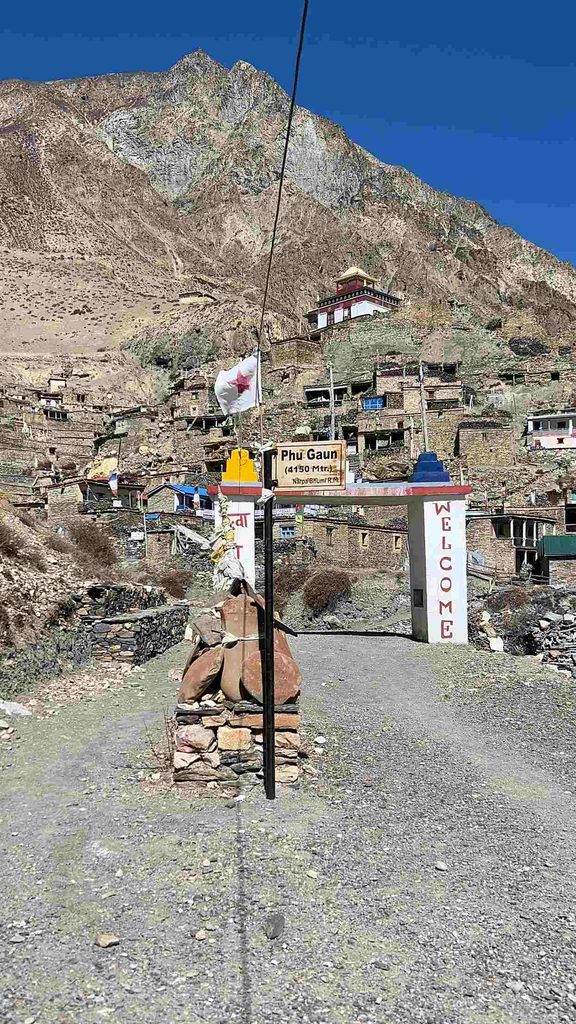
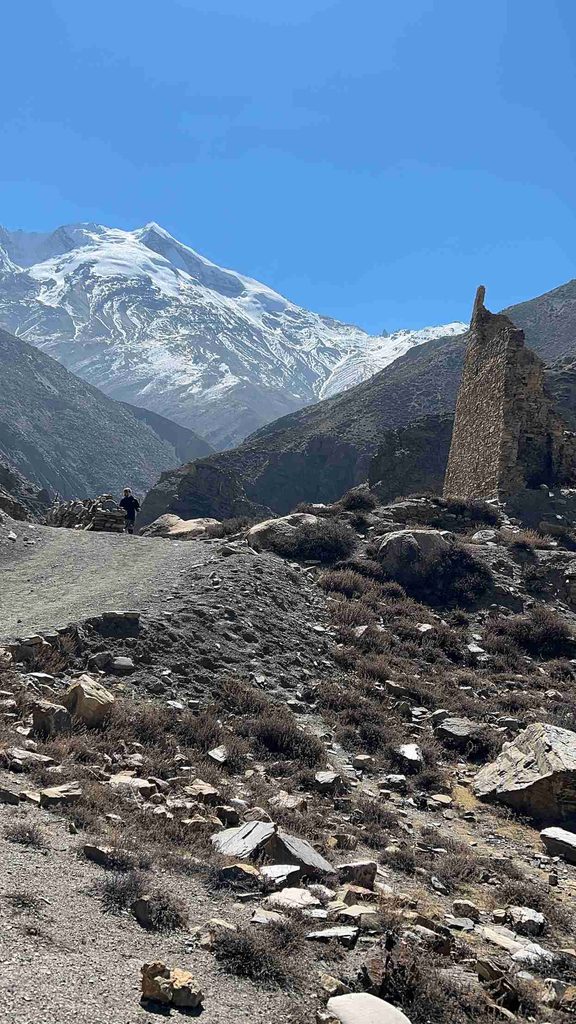
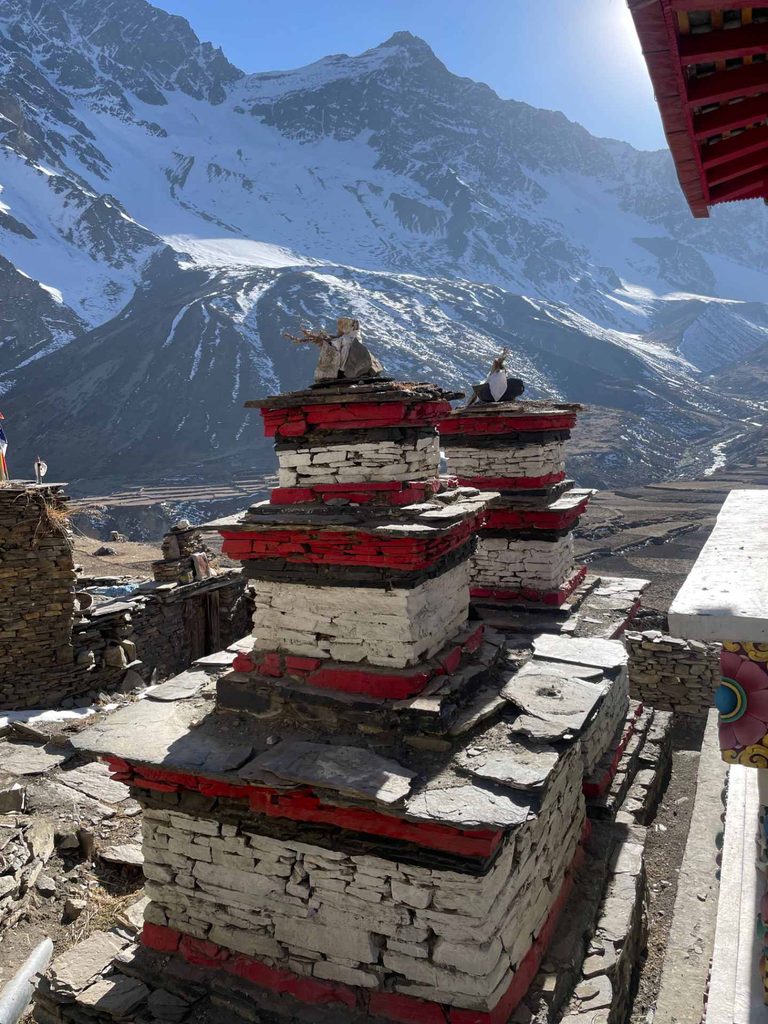
The trail to Phu is one of the most dramatic sections of the entire loop—at times, it feels as though the path has been carved directly into a vertical rock wall, with plunging canyons below. The landscape here is deeply spiritual, marked by ancient chortens. We reached the Phu Dharamsala in 1.5 hours, and the iconic village gate in another 1 hour and 15 minutes.
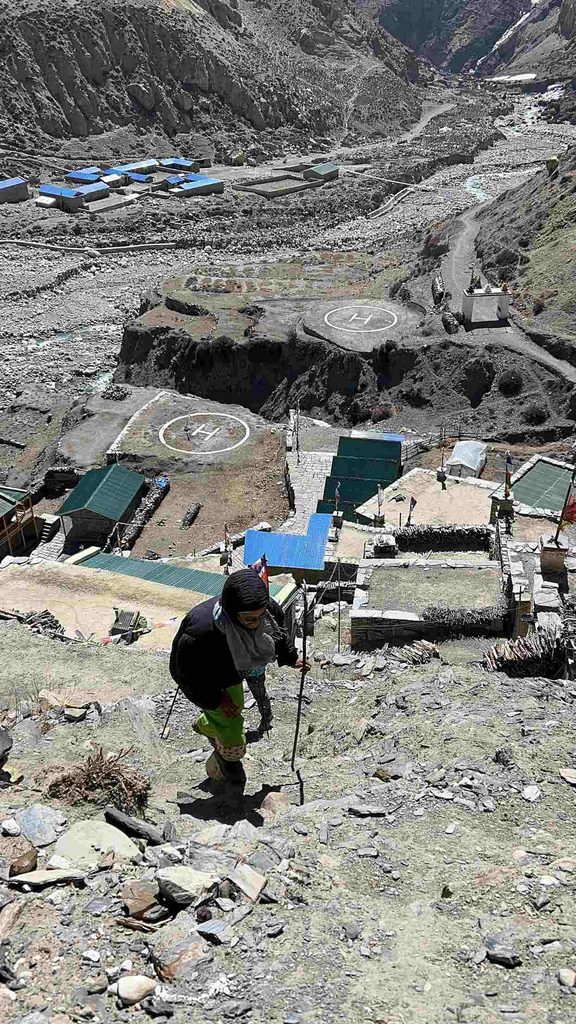
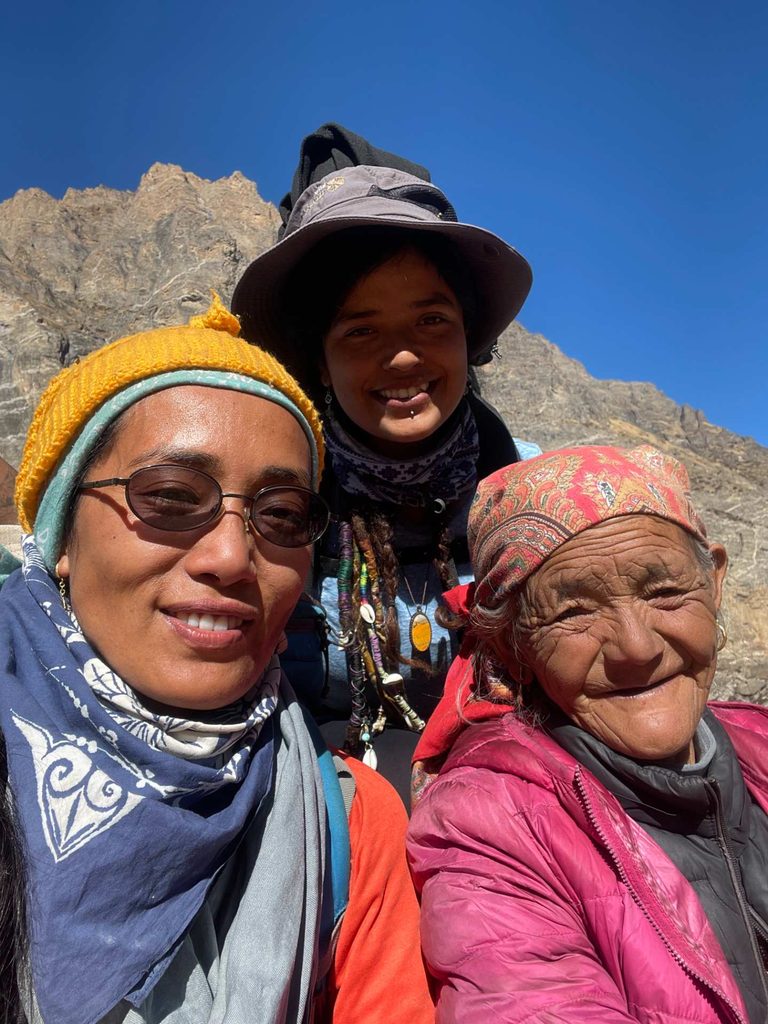
Roughly 30 minutes past the gate, we entered Phu Village. The layout is striking: the historic old village sits to the left, full of cultural character, while the newer lodges sit on the right, all framed by the distant Lamjung Himal range. We visited the old monastery, and shared hot coffee at the home of a local named Karma Dai. On the return walk to Kyang, we met an elderly local woman nursing a leg injury; offering her some medicine led to a heartwarming invitation into her home for authentic Himalayan butter tea. That night, under a full moon, the mountains glowed softly under a crystal-clear, starry sky.
Day 6: Trek from Kyang to Nar Phedi Monastery (3,490m)


- Trekking Time: 4 hours
- Highlights: Mahendra Pool crossing, staying overnight at Satey Gompa
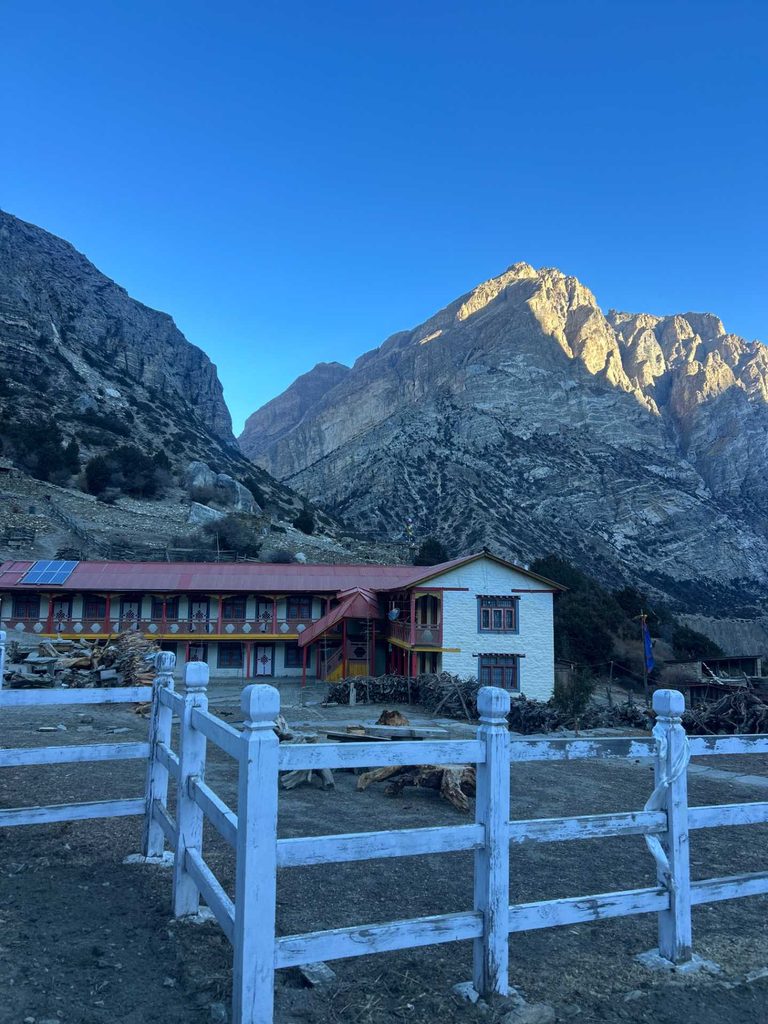
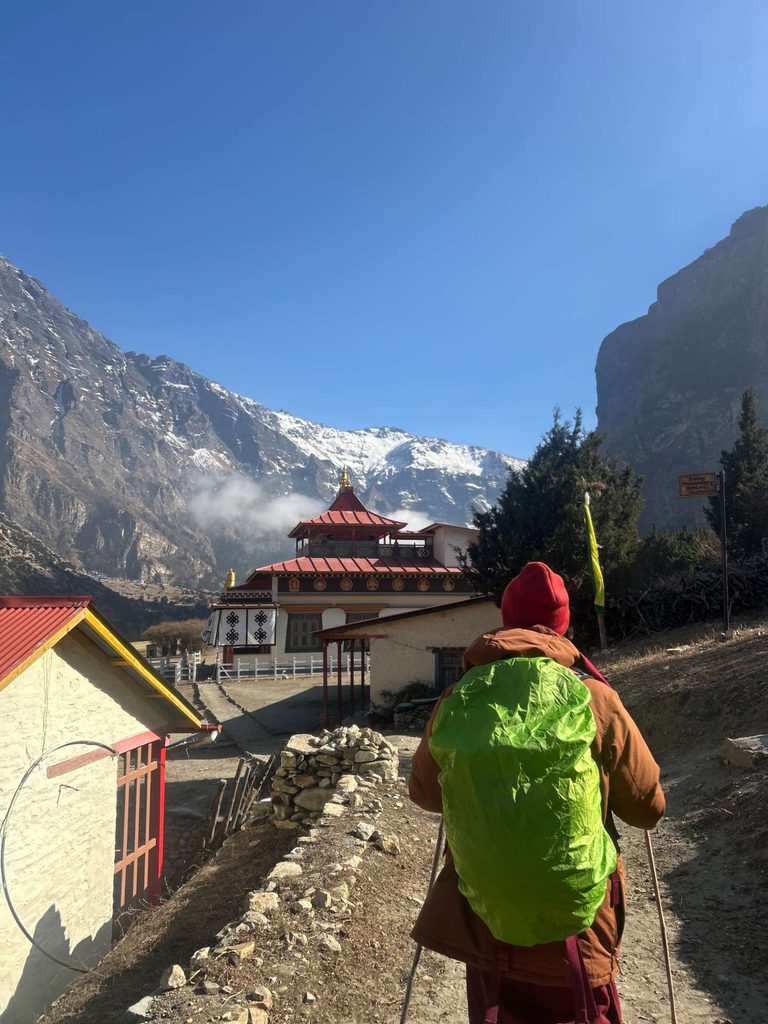
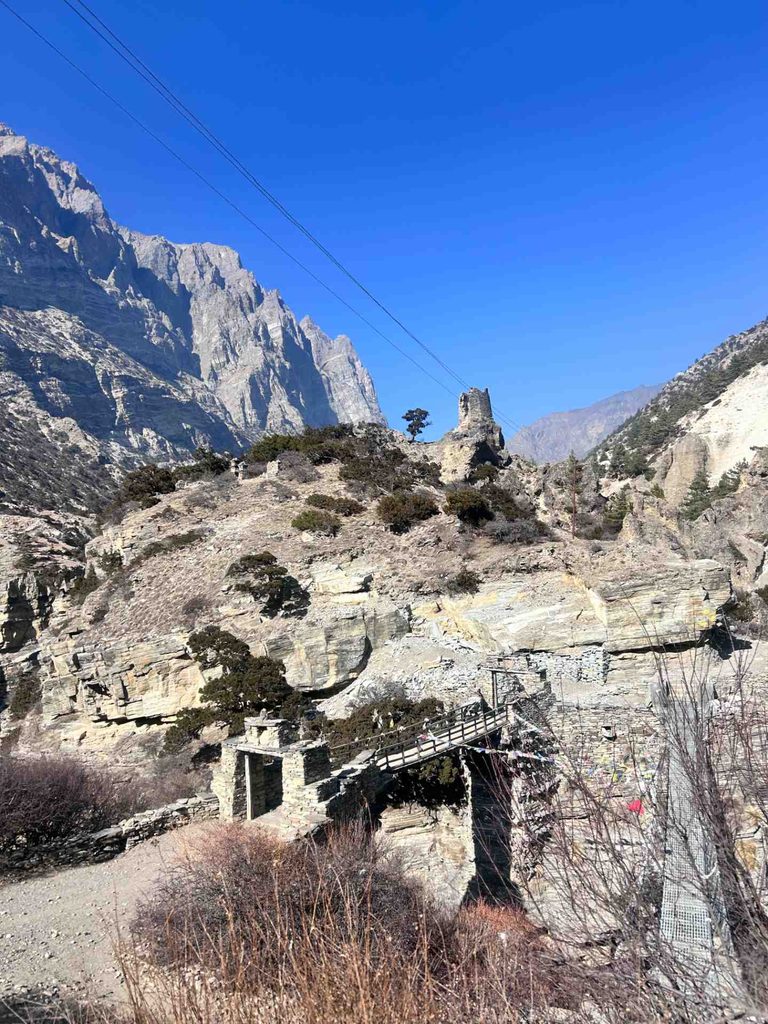
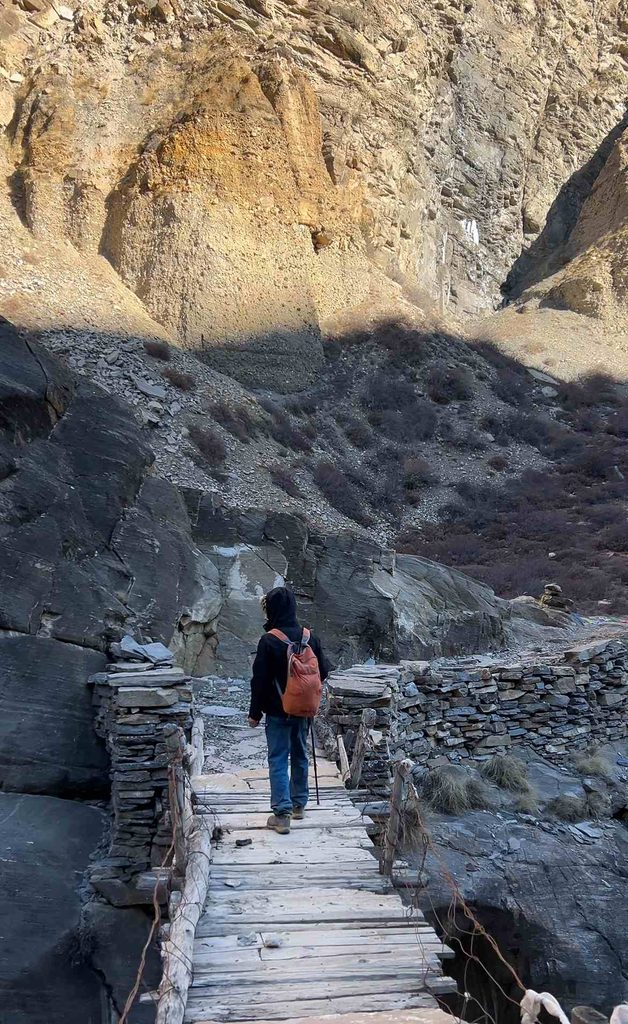
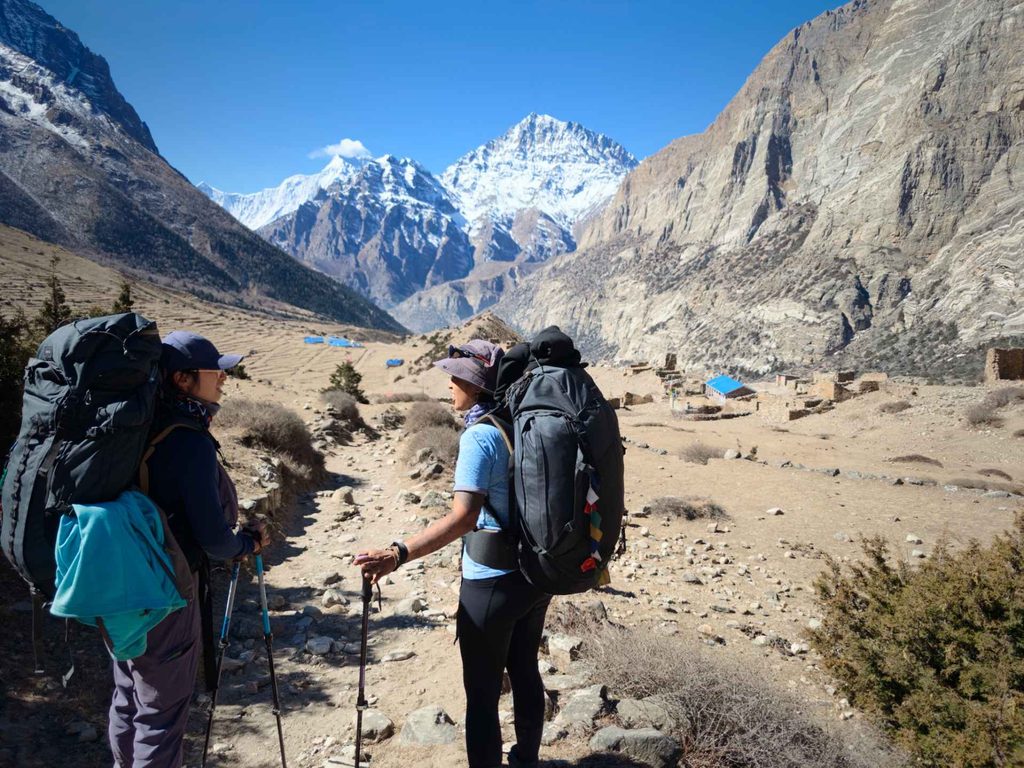
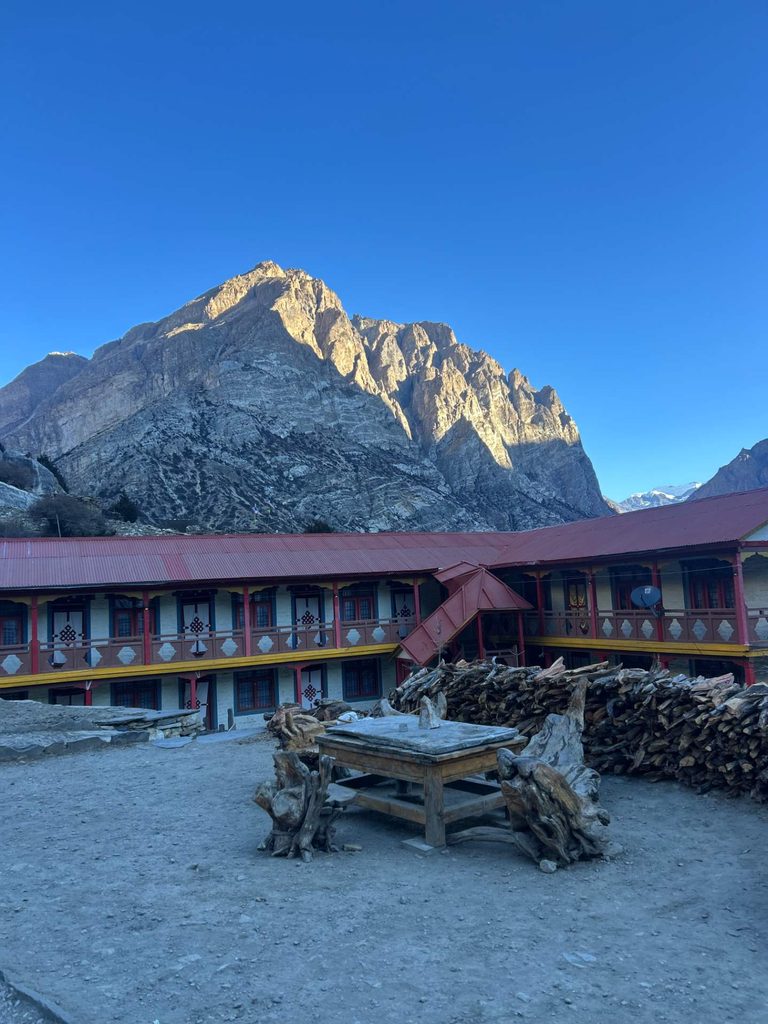
Following breakfast, we enjoyed a short, pleasant descent back to Chayku for an early lunch, even helping out in the kitchen while our clients took a short walk to visit a massive, peaceful nearby Buddha statue. Continuing onward, we crossed the famous Mahendra Pool, a suspension bridge hanging over a massive gorge that acts as the vital link between Nar and Phu villages. From the bridge, the trail climbs steadily into a quiet, serene landscape. After a 2.5-hour ascent, we reached Satey Gompa (Nar Phedi Monastery), where we spent a peaceful, spiritual night staying inside the monastery grounds.
Day 7: Trek from Nar Phedi to Nar Village (4,200m)


- Trekking Time: 3.5 hours
- Highlights: High-altitude mountain terrain, local election atmosphere, meeting community elders
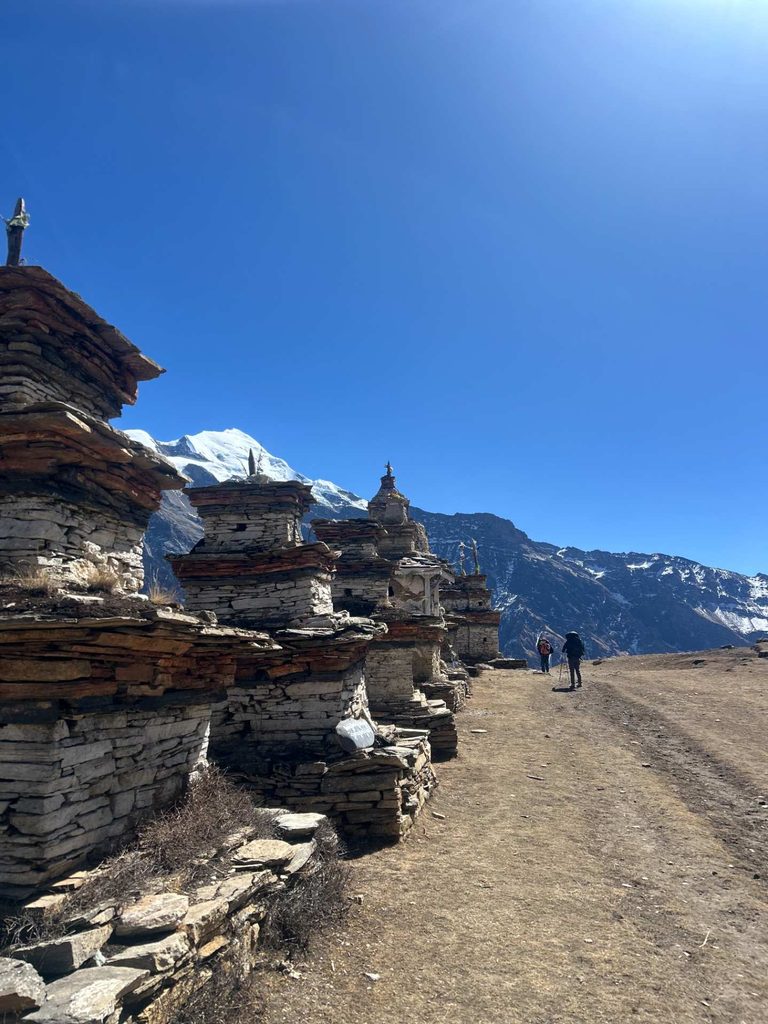
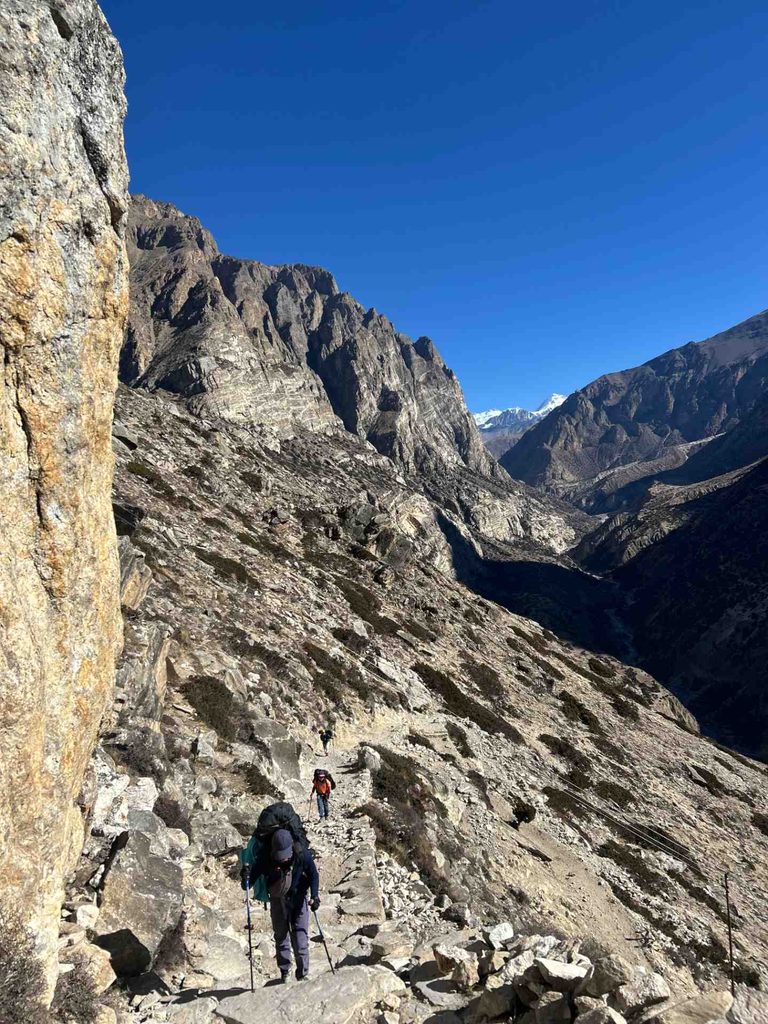
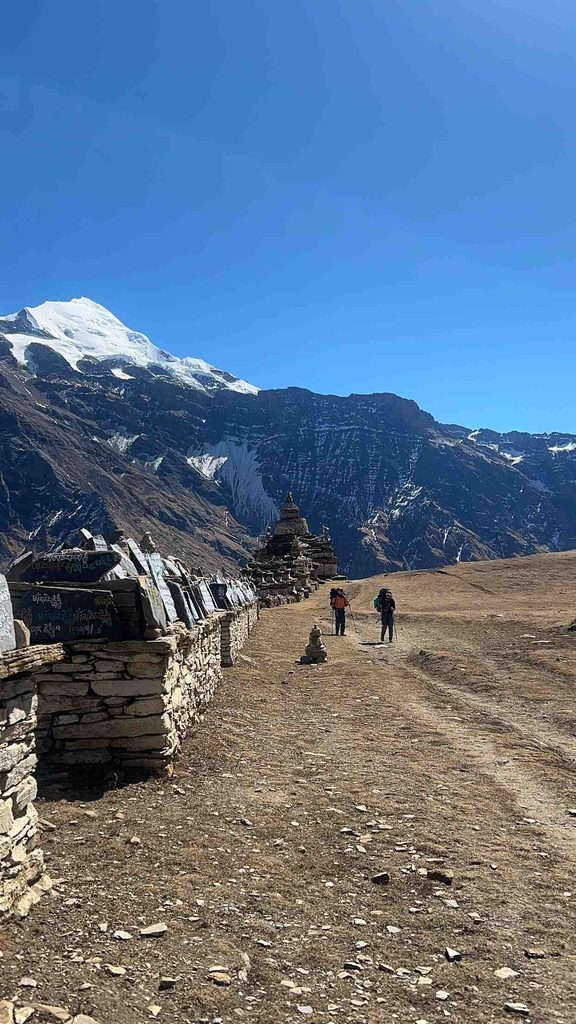
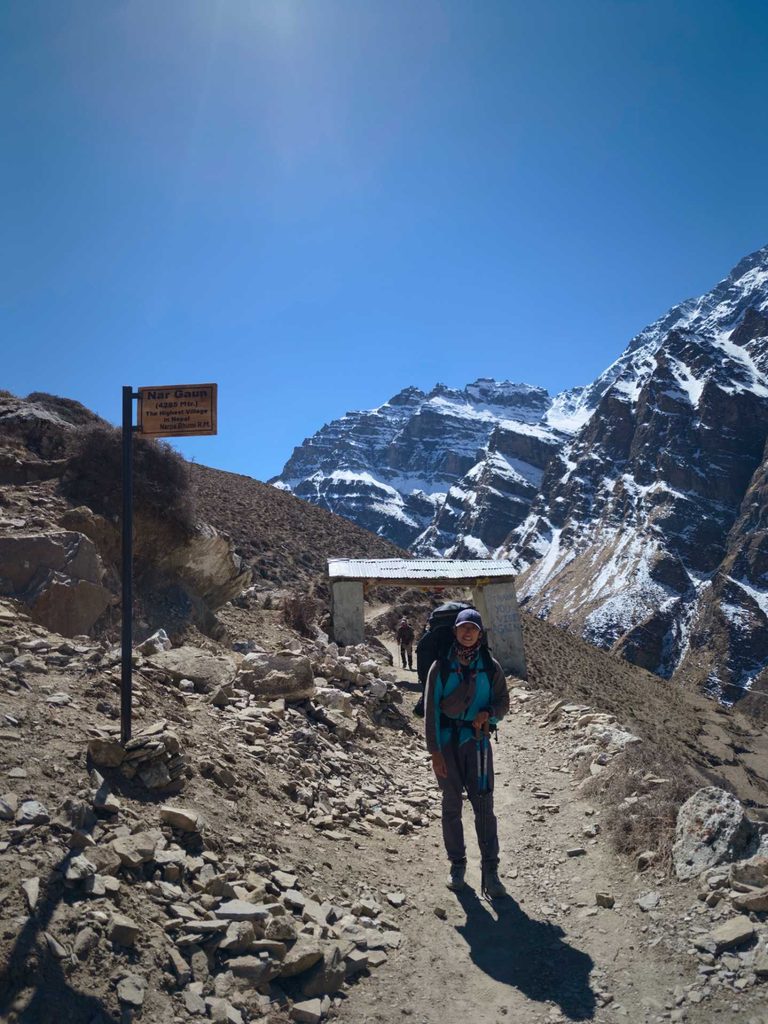
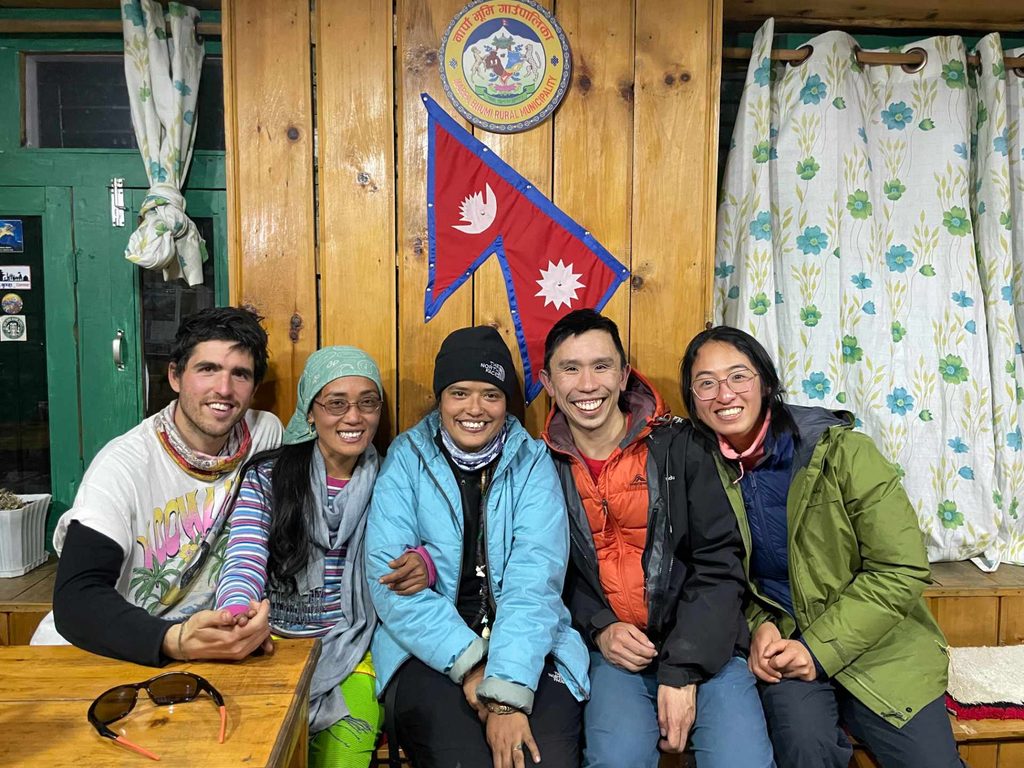
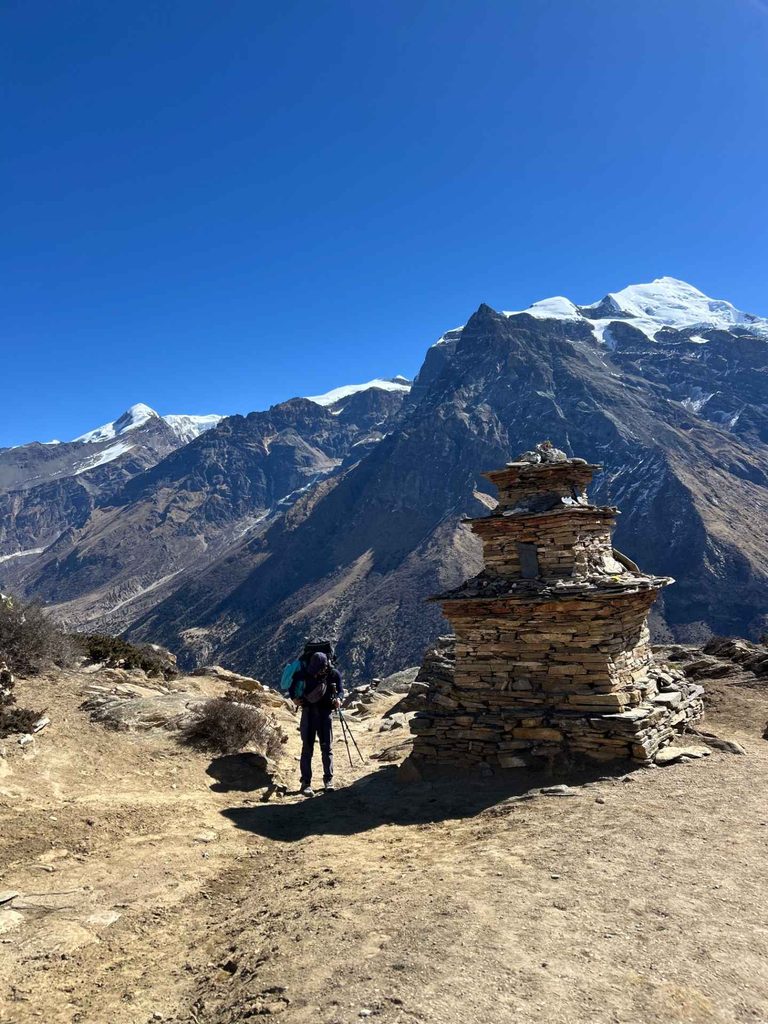
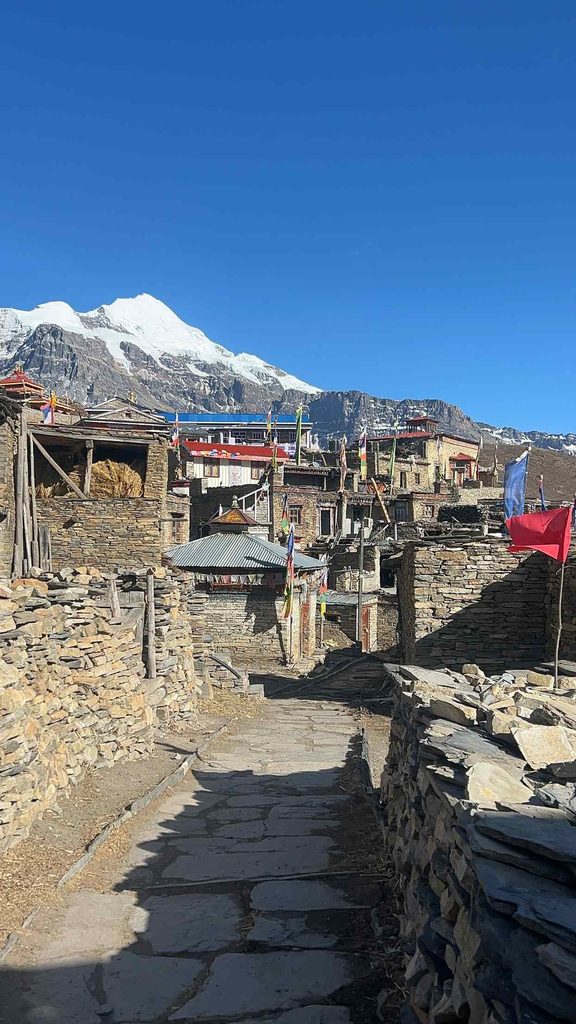
The morning began with a steep, challenging climb out of the river valley. Two hours in, a small water stop next to an isolated stone house provided a much-needed breather. Another 1.5 hours of trekking brought us into Nar Village (4,200m). Nar felt incredibly lively compared to Phu; many locals were returning up the valley to vote in an upcoming election, making the trails unusually busy. Sharing warm conversations with the local Aamas (grandmothers) offered an unforgettable window into authentic Tibetan-Buddhist culture before we spent the afternoon exploring the high-altitude village.
Day 8: Nar Village to Ngawal via the Kang La Pass (5,320m)
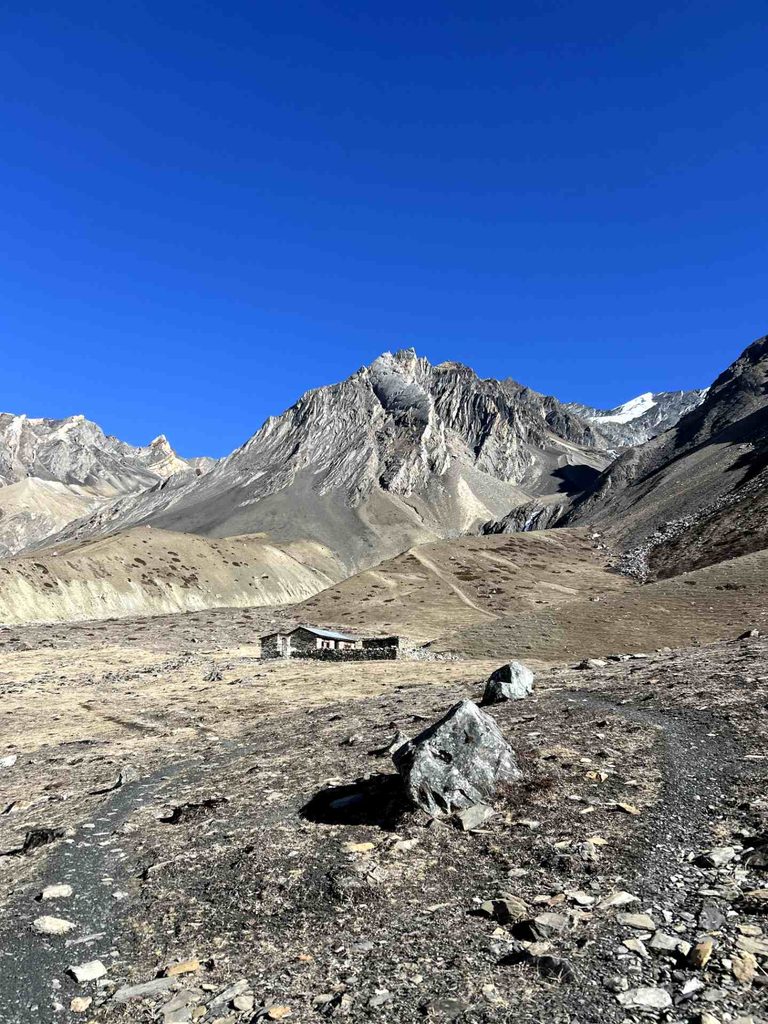

- Trekking Time: 9–10 hours
- Highlights: Conquering a 5,000m pass, trail breaking in snow, 360° views of Manaslu and the Annapurnas
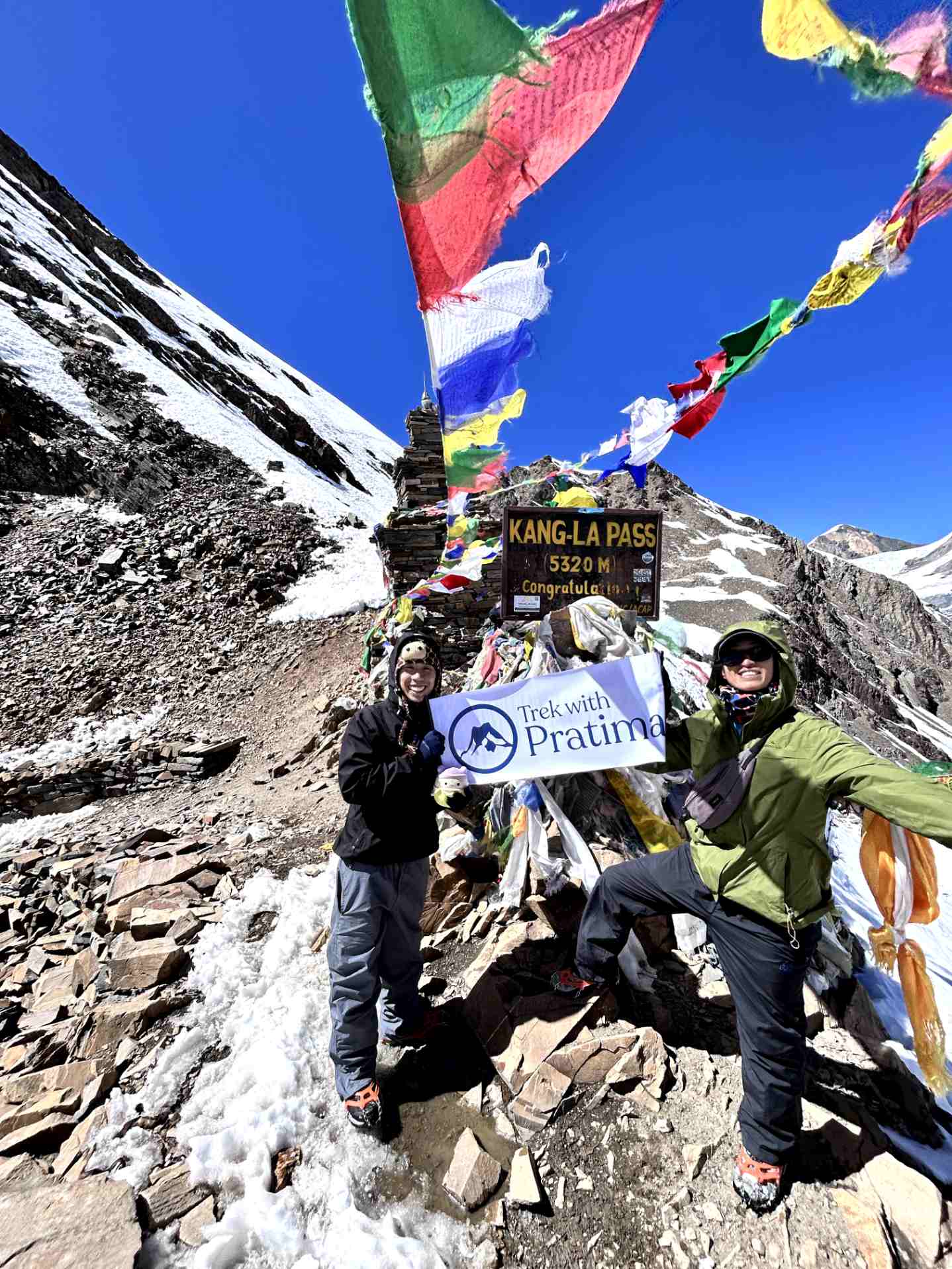
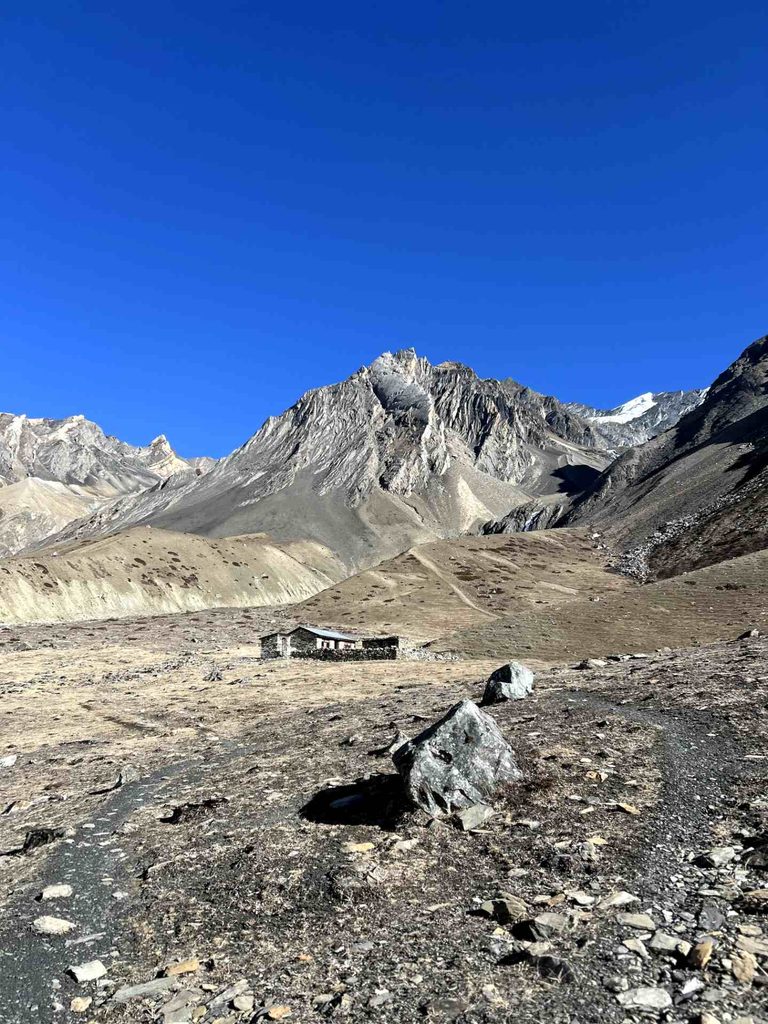
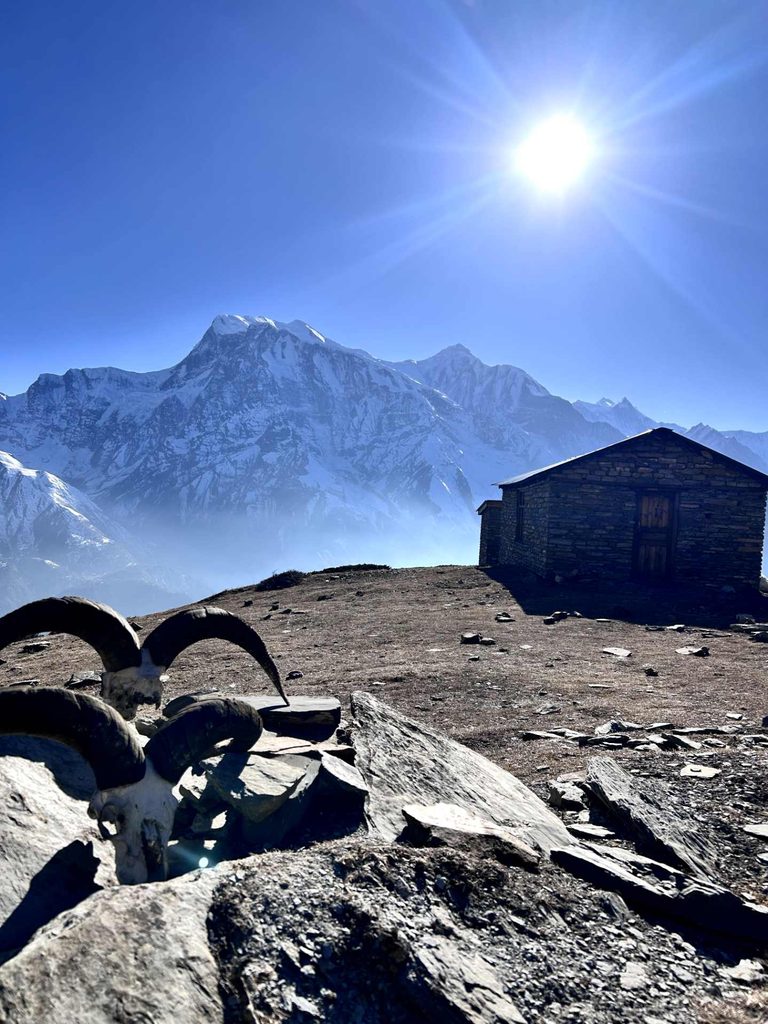
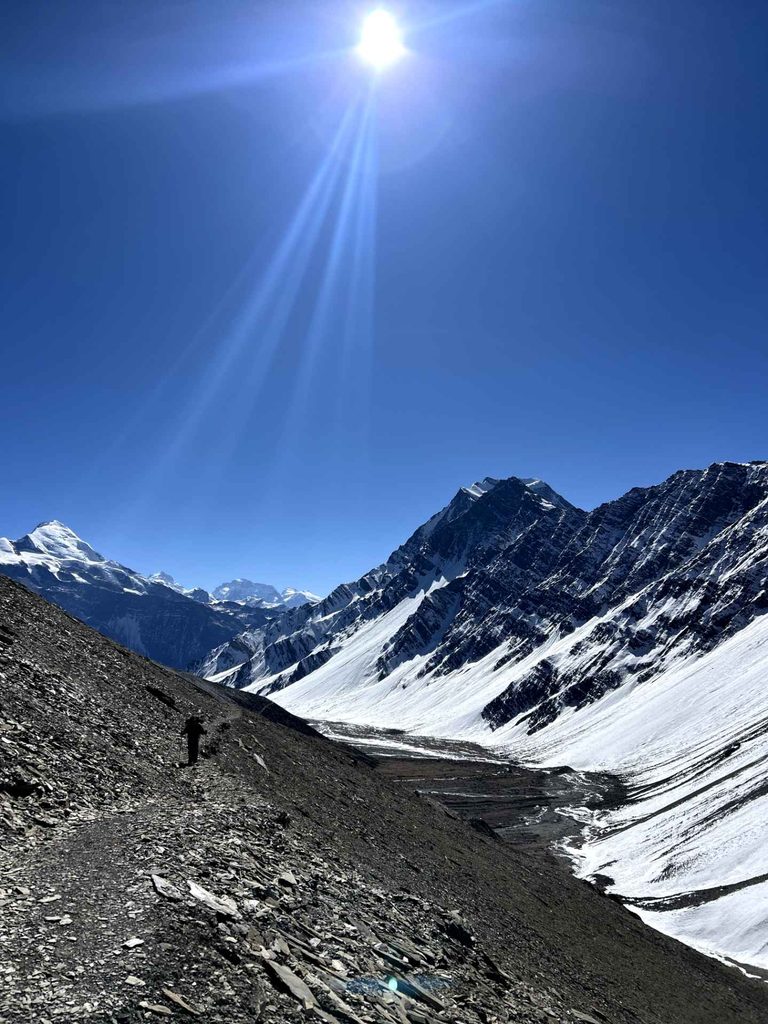
This is the longest, most challenging day of the Nar Phu loop trek. Carrying packed lunches, we started well before dawn. It took over 3 hours of steady climbing to reach the high Dharamsala. As the trail turned to deep snow, we buckled on our trekking crampons. With no clear trail visible early in the season, I had to break the snow path myself, a thrilling and intense alpine experience.
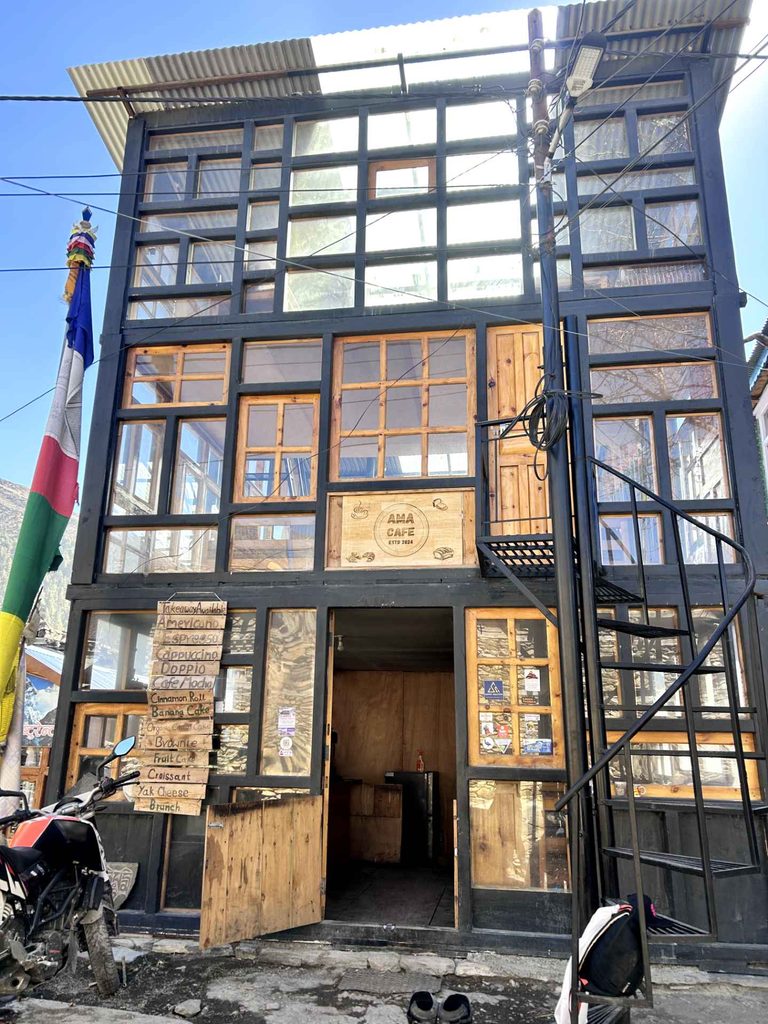
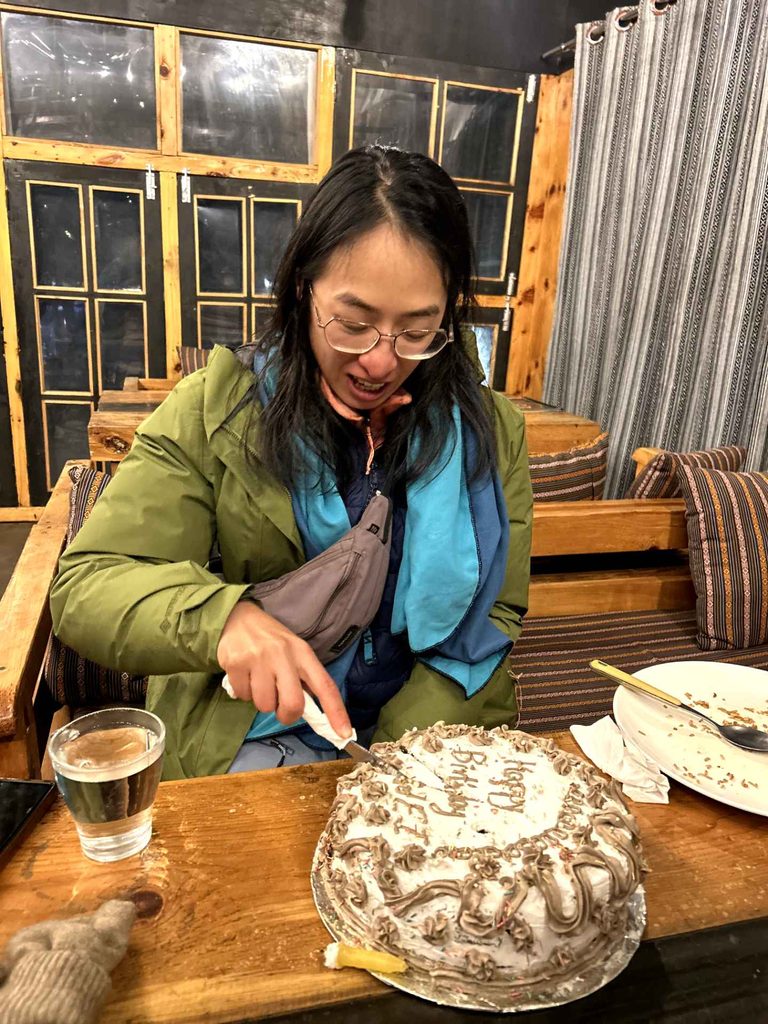
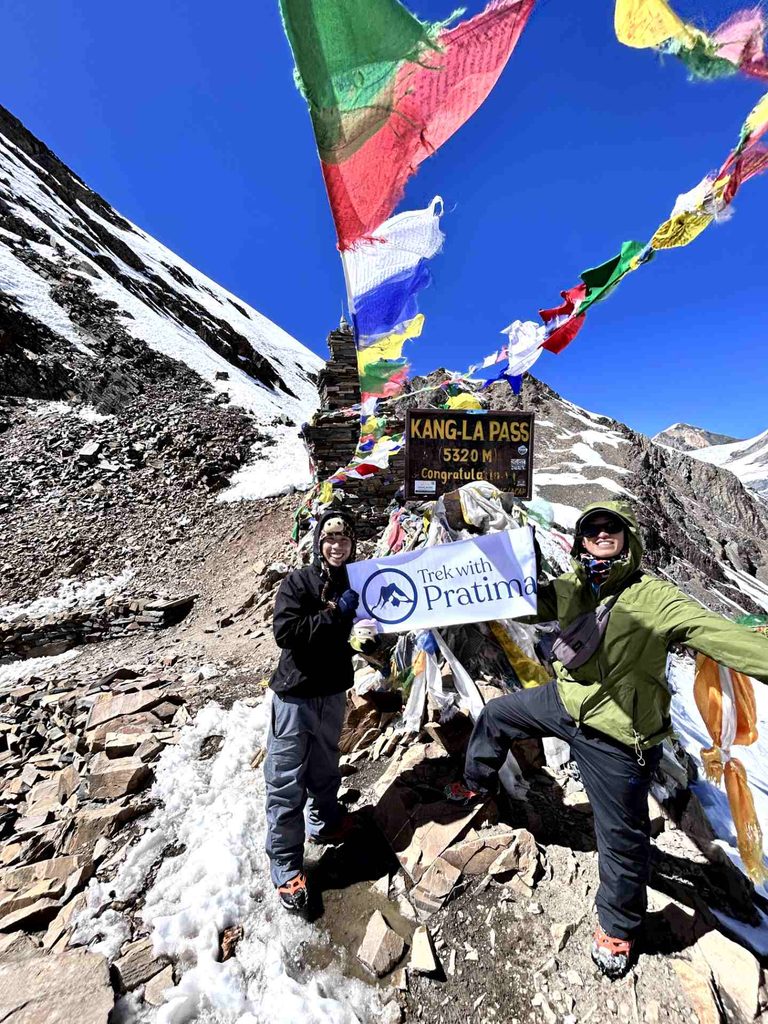
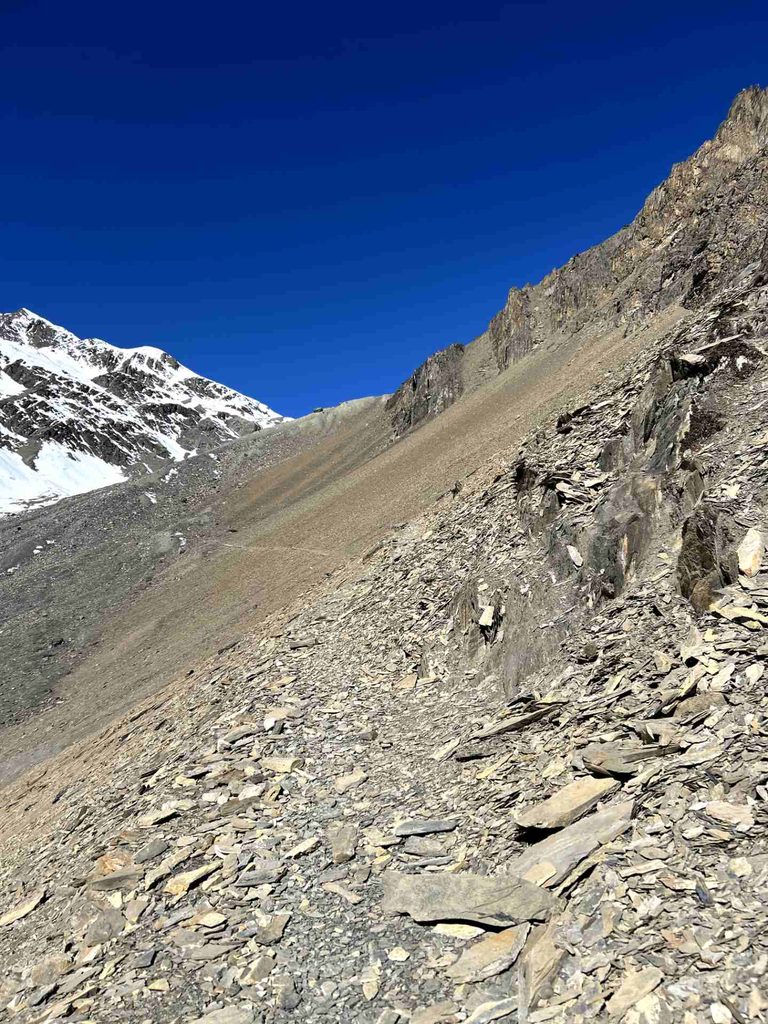
After a grueling 2.5-hour push through the snow, we stood at the crest of Kang La Pass (5,320m). The 360-degree panoramic views were breathtaking, showcasing Kang Guru, Manaslu North, Mount Manaslu, Ngadi Chuli, and Himalchuli. The descent from the pass is incredibly steep, taking roughly 4 hours to reach Ngawal on the main Annapurna Circuit route. We celebrated our successful pass crossing at the Shanti Hotel, making sure not to miss the famous Ama Bakery!

